Pick the guide that matches the problem blocking your next ride. If you’re new, start with the first-ride basics. If you already ride, go straight to fit, comfort, safety, maintenance, training or community.
Find the next cycling step that fits you
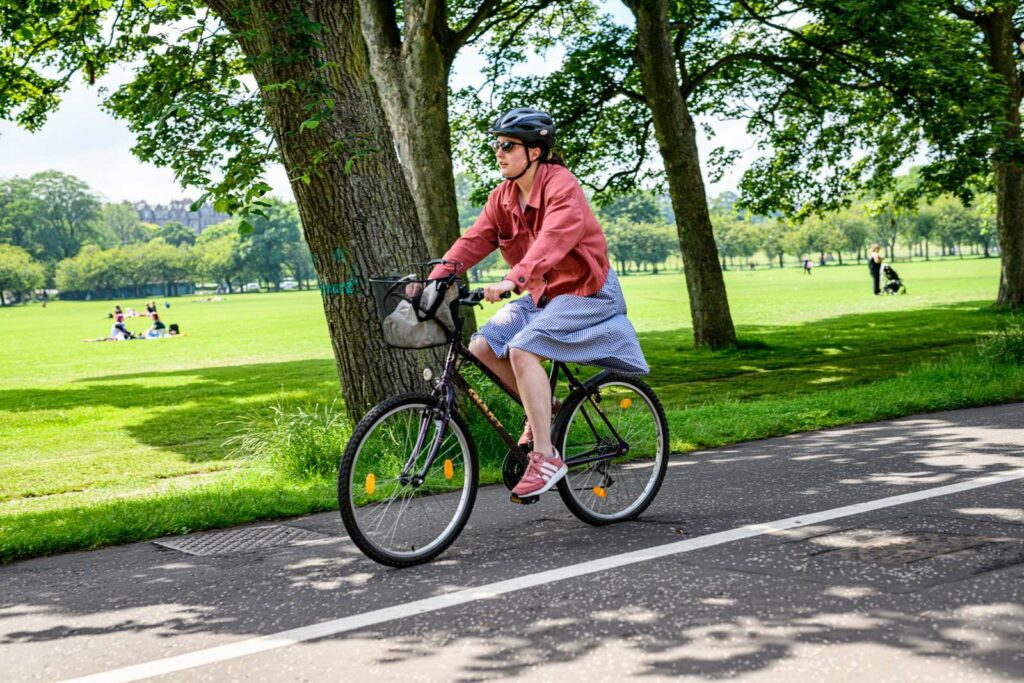
You can feel at ease on a bike and still be unsure about riding in traffic. You can love your bike and dread its saddle. Or you’re about to buy your first one and can’t tell whether it will see paved paths, commutes or fitness rides.
Many beginners start with no idea what to buy or where to begin. Decide what kind of riding you want to do before you buy anything.
| Your situation | Where to start | What it helps you decide |
|---|---|---|
| You’re new or returning after years away | Start Cycling | How to plan first rides and which basics to practice |
| You need a bicycle or are unsure about size | Choose a Bike | Which type and size to buy |
| Your position or saddle is uncomfortable | Bike Fit & Comfort | Which contact point to adjust and when to get help |
| Your cycling clothes don’t fit well | Cycling Clothing | Which cut, padding and size to buy |
| Traffic or unfamiliar roads worry you | Safety & Skills | Which routes to ride and which skills to learn |
| Your bike needs mechanical attention | Bike Maintenance | What to check and what to repair |
| You want to ride farther or build fitness | Training & Fitness | How to build up toward your goal |
| You want company on your rides | Cycling Community | Which group to join |
| You want to explore other cycling styles | Ways to Ride | Which terrain or discipline to try |
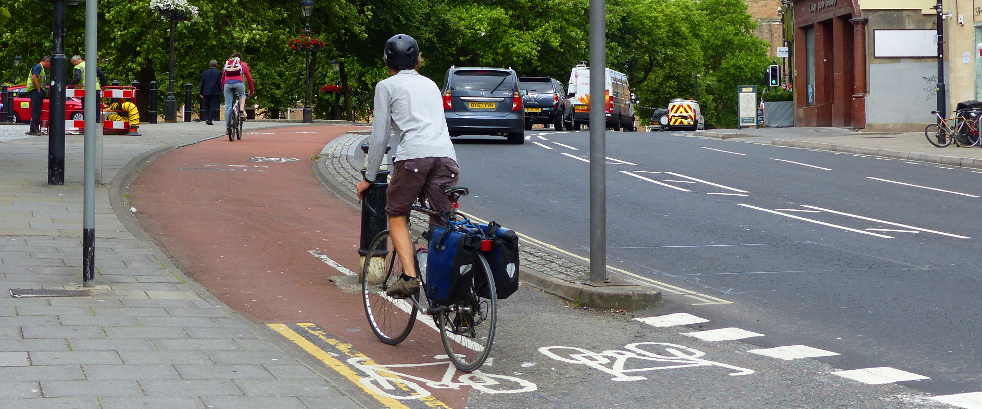
If two rows fit, deal with anything that makes riding unsafe first. Otherwise pick the one that blocks your next ride.
Choose a bicycle for the rides you want to make
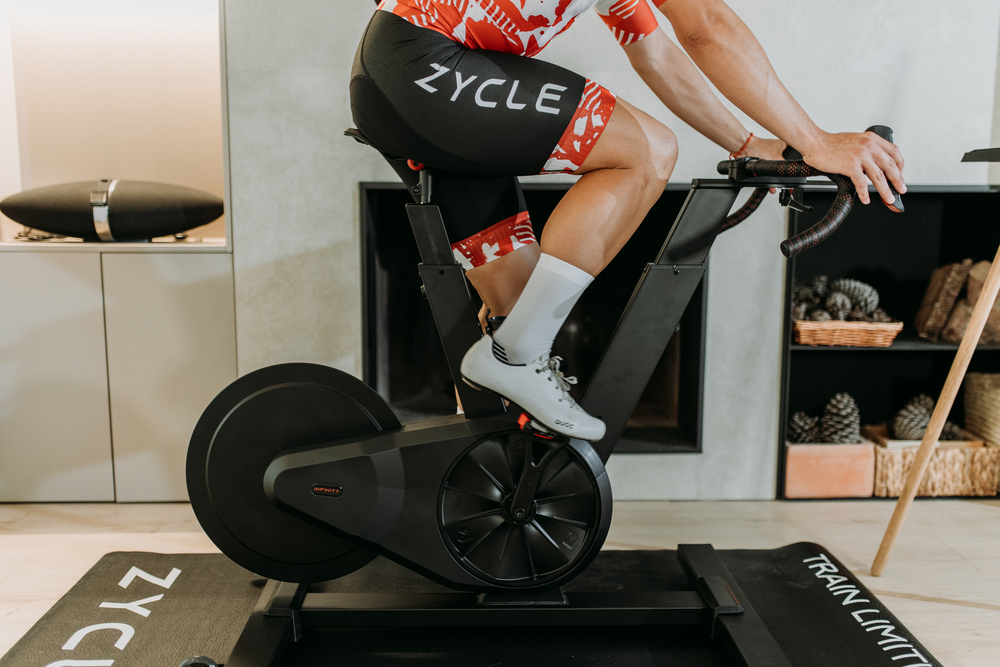
Match the bike to where you plan to ride. Road bikes are built for pavement, gravel bikes handle mixed paved and unpaved surfaces, and mountain bikes are made for trails. Hybrids and commuter bikes work for everyday travel and recreational paths. Electric assistance is another option if the journey calls for it.
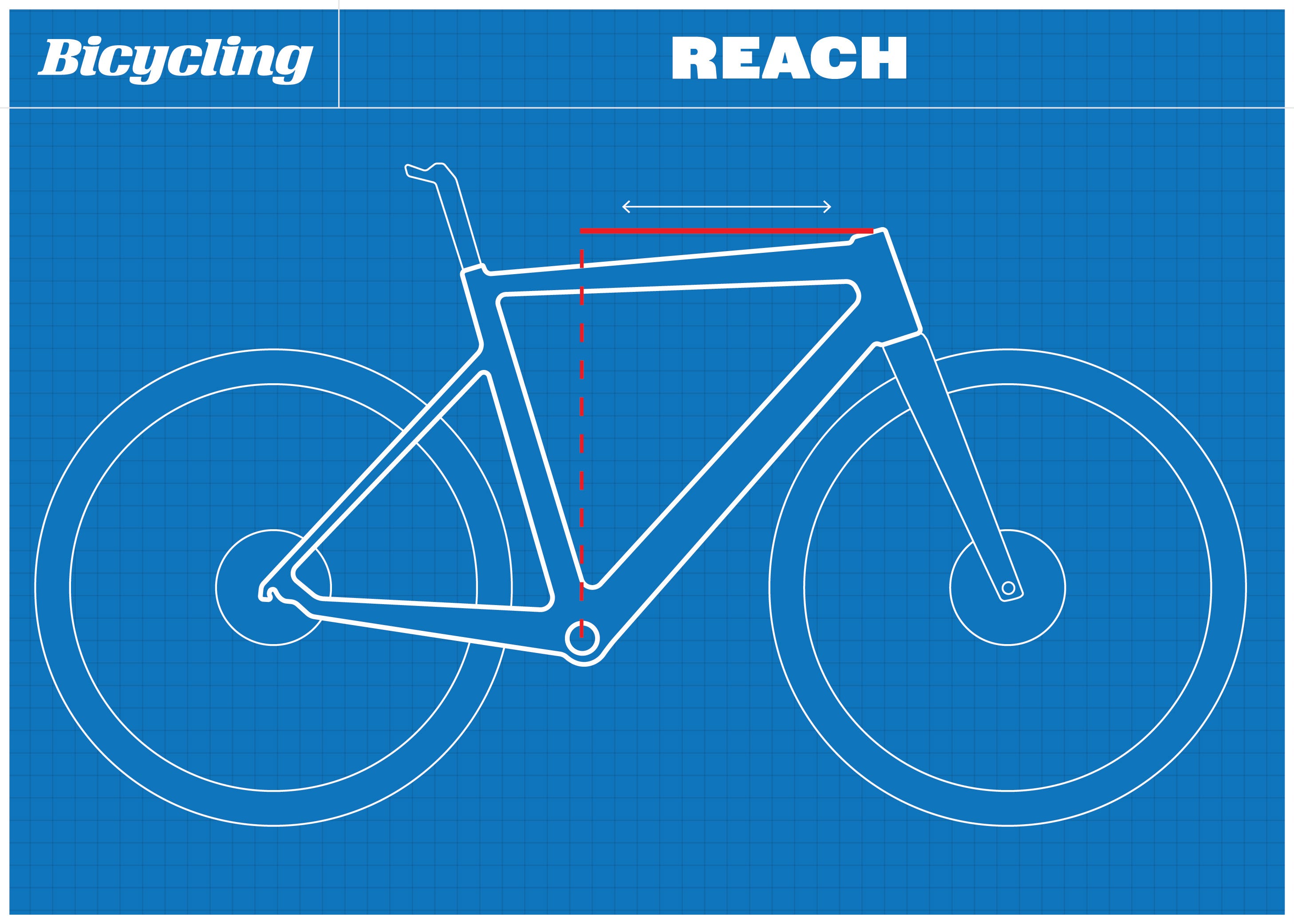
Start sizing with your height. Your inseam helps you judge standover clearance, the room between you and the frame when you stand over the bike. Frame reach is the horizontal distance from the vertical line through the bottom bracket to the head tube. The stem, handlebars and your riding position change how far you stretch to the controls.
The Liv Rove 4 Stagger in XS and S shows how this happens: their stated height ranges overlap, so you still need to check reach and standover on the actual bike.
One rider explained, “I’m 5’2″ with a 26″ in-seam and long torso, so buying well-fitting bicycles that have the features I want has been difficult in the past.” If your proportions are similar, standover clearance and reach are the first things to check.
Check the terrain you plan to ride against the bike category, then read the geometry chart for the model and test a likely size if you can. A women’s or unisex label doesn’t tell you whether a bike fits. If your current bike works, adjusting it or getting a fit check can beat replacing it.
Use the bike selection guide to compare categories and the bike sizing guide to check the fit of a specific model.
Start with what your first rides need
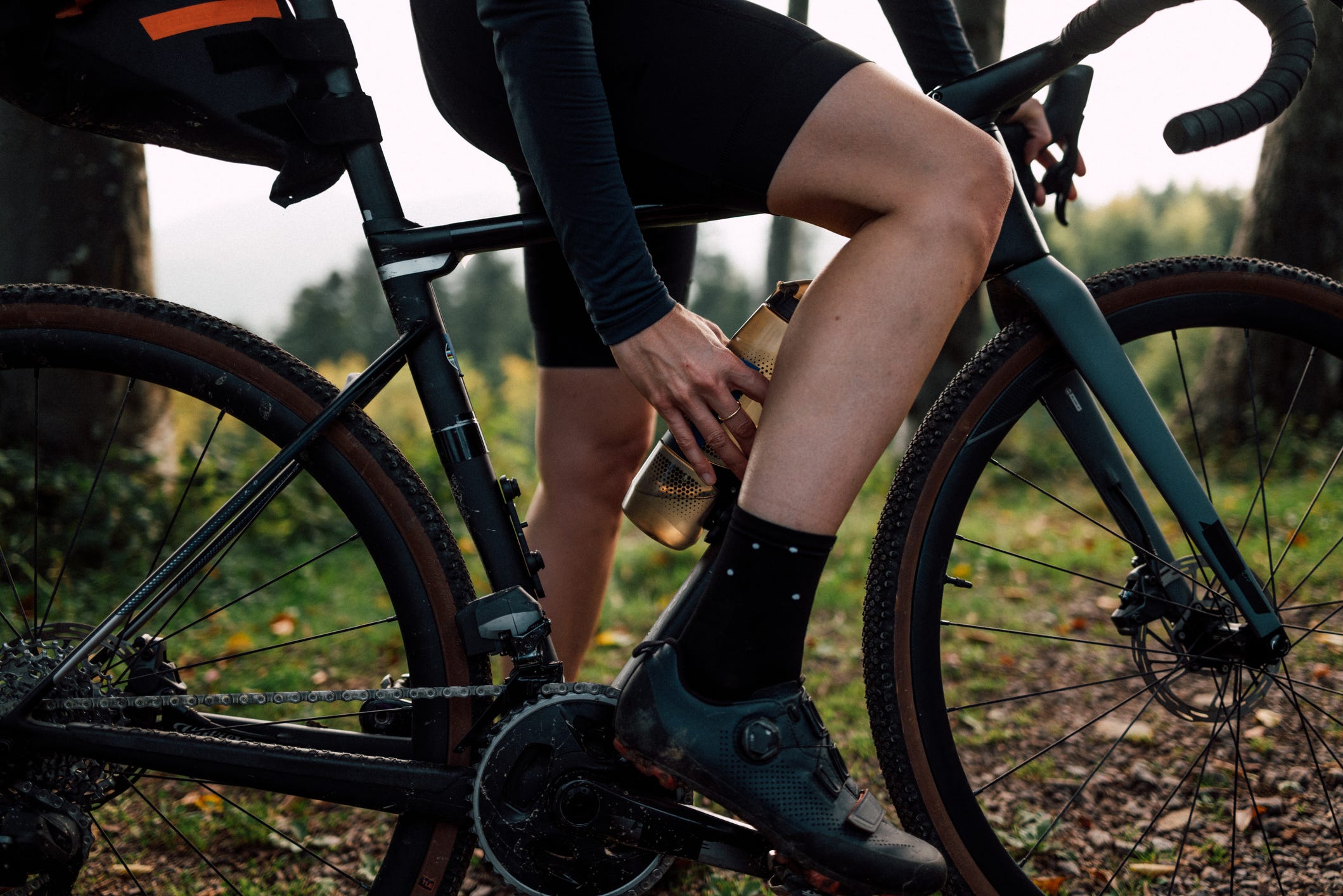
Early rides need a safe, working bike and some preparation for the route. Upgrades can wait until your riding changes.
| Ready for the first ride | Depends on conditions | Optional upgrades |
|---|---|---|
| A bike that fits you and works | Pump and flat-repair supplies for longer or remote rides | Clipless pedals and matching cycling shoes |
| A properly fitting helmet | Lights and visibility equipment for the route and conditions | Dedicated cycling computer |
| A route that matches your ability | Padded shorts for comfort | Several specialist cycling outfits |
| Water for the outing | Extra supplies for longer or less accessible routes | Race-specific accessories |
Distance, road conditions, weather, visibility and local rules decide what else you need.
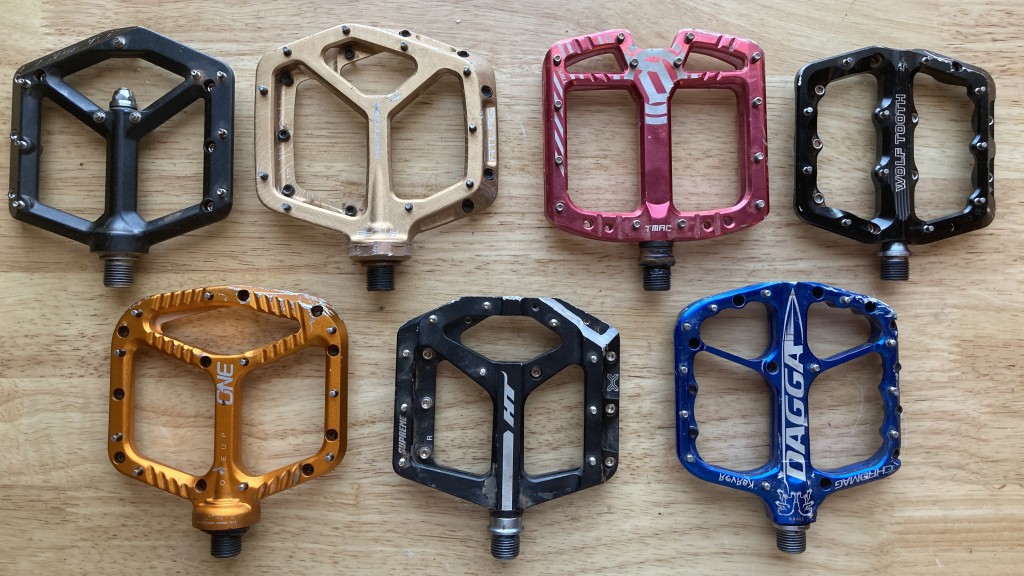
Clipless pedals attach to compatible cleats on your cycling shoes. Platform pedals let you practice starts and stops without learning that system at the same time.
Sort out fit and discomfort before you push harder
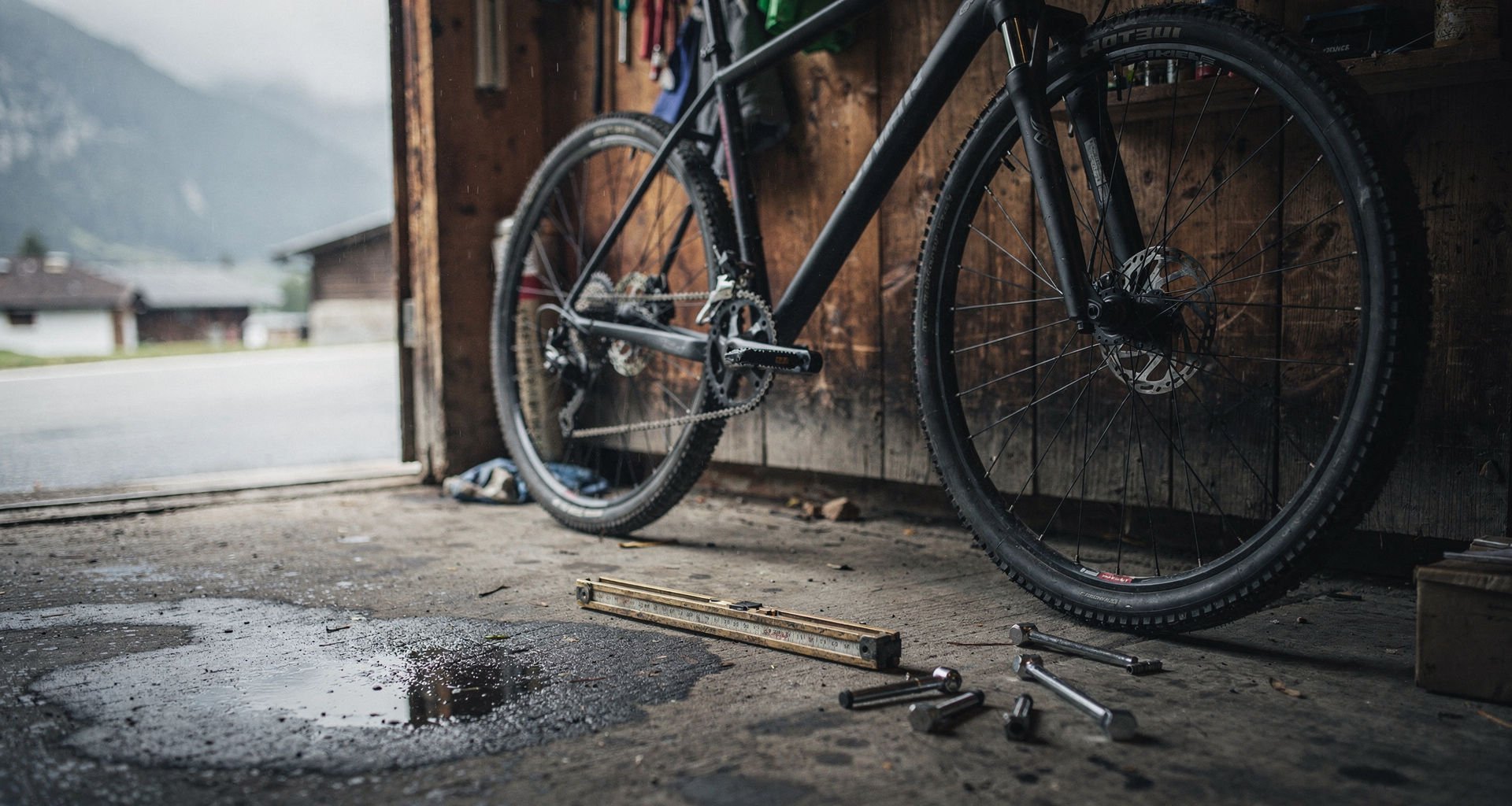
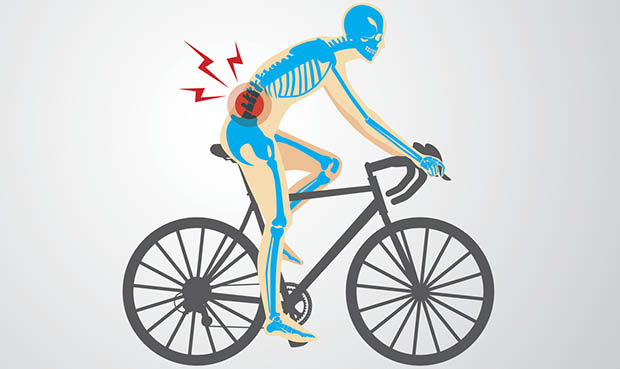
Saddle pressure, riding position, reach and the way your shorts meet the saddle all affect comfort. Find out where it hurts, and in which riding position, before you adjust or replace anything.
A chamois is the padded insert in cycling shorts. Its position and the shape of your saddle decide where you feel contact and pressure.
A 2018 observational comparison by Gaither and colleagues found that cyclists were more likely than swimmers and runners to report some genital symptoms. Overall, cyclists were no more likely to report sexual dysfunction or urinary symptoms, and high-intensity cyclists were less likely to report sexual dysfunction after adjustment. Associations like these don’t prove cause and effect.
A separate 2018 experiment with 19 women tested how saddle configurations affect pressure and discomfort. Which saddle works depends on your own contact points and riding position.
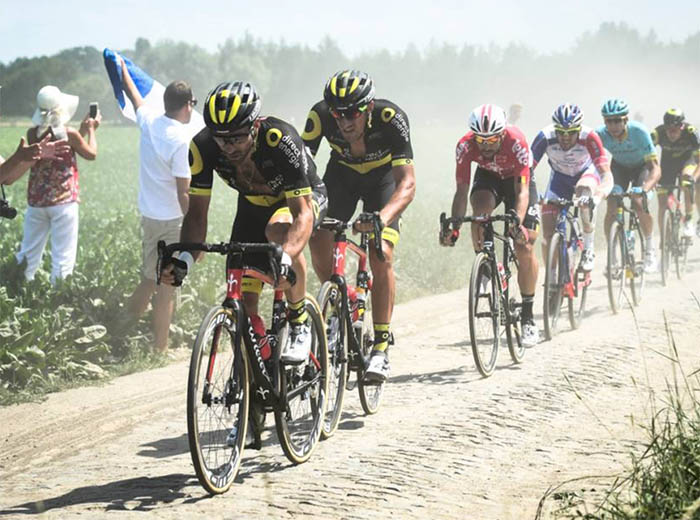
For equipment or position problems, see the bike-fit guide and the saddle discomfort guide. See a medical professional for persistent numbness, severe pain or other worrying symptoms. Riding through them as if they were routine discomfort is unsafe.
Choose cycling clothes for your body and ride
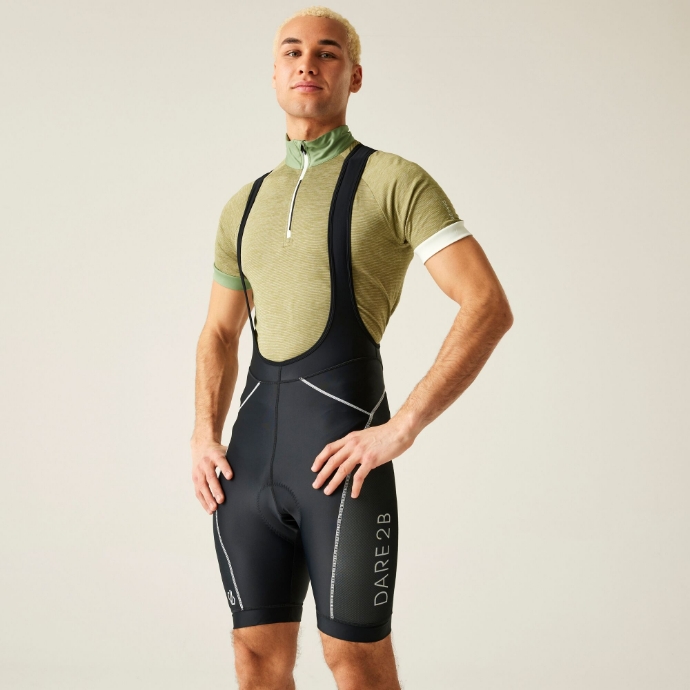
Padded cycling shorts come as waist shorts, which have a waistband, or as bib shorts, which are supported by shoulder straps. Fit at the waist, shoulders, legs and saddle contact area decides which one feels better. Details are in the women’s cycling shorts guide.
A commuter moving toward longer road rides found that even the large size of her padded Pearl Izumi bibs was quite tight.
Compare your measurements with the current size chart for the garment you’re considering. Check the cut, inseam length, leg grippers and how the chamois sits in a riding position.
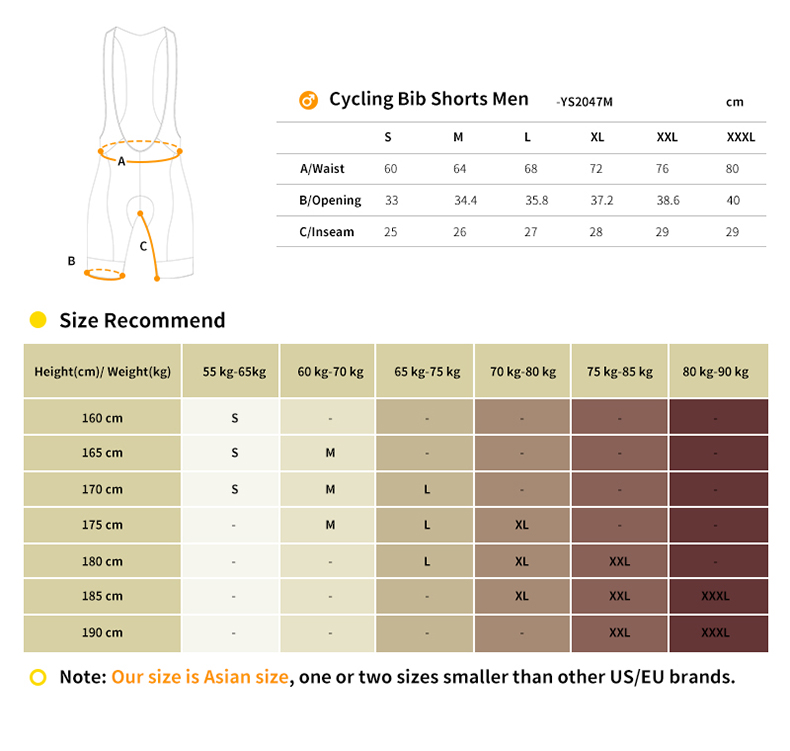
Waist shorts suit riders who want a simple, strap-free design.
Build confidence with safer routes and riding skills
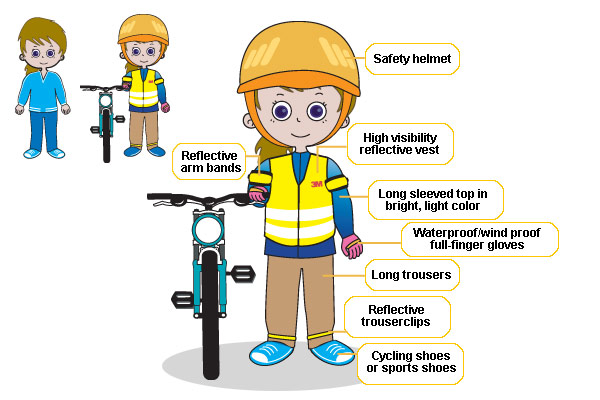
Unfamiliar intersections and busy traffic call for road awareness and handling skills, in addition to balance and pedaling.
A gravel rider wrote, “There is a cycling group here, but for now I definitely don’t feel ready to join, since I don’t know the rules of road cycling or how to ride in a group.”
The National Highway Traffic Safety Administration explains predictable riding, road awareness, route choice and protective equipment. When you’re learning a new riding situation, pick a lower-stress route that matches your handling skills.

Bicycle helmets covered by the US federal standard are subject to 16 CFR Part 1203, which the Consumer Product Safety Commission administers.
For instruction beyond solo practice, look at the League of American Bicyclists and its Smart Cycling education, which includes practical bike handling and road skills.
Keep your bicycle ready to ride
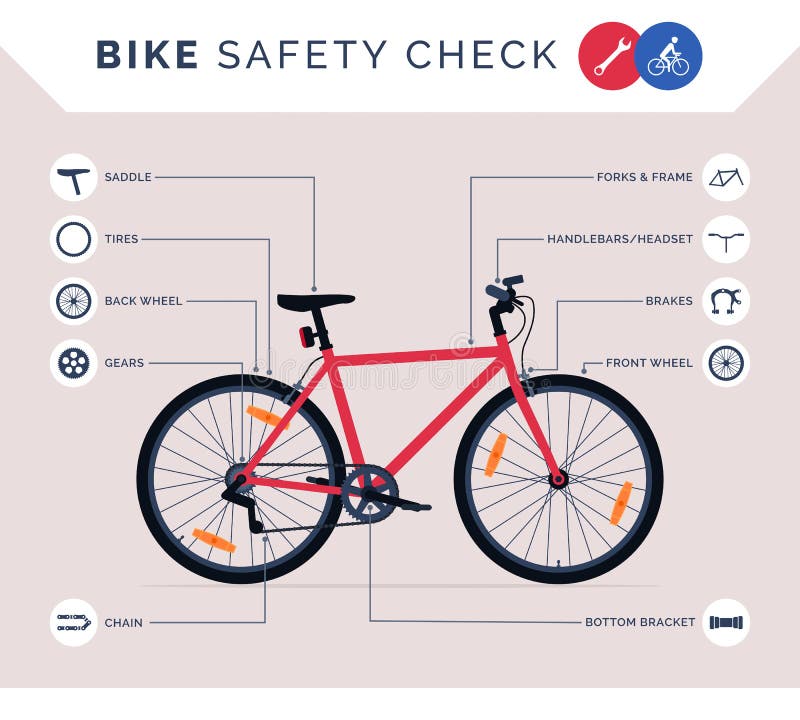
If your bike has sat in storage for months or you just bought it secondhand, check it before you ride. Follow the pre-ride check for the full routine and see bike maintenance for bigger repairs.
- Tires and wheels: Look for visible damage, wrong tire inflation and loose or poorly secured wheels.
- Brakes: Check that the brake controls work and the bike stops properly.
- Steering: Feel for looseness, binding or odd movement.
- Drivetrain: Make sure the chain and related parts run smoothly.
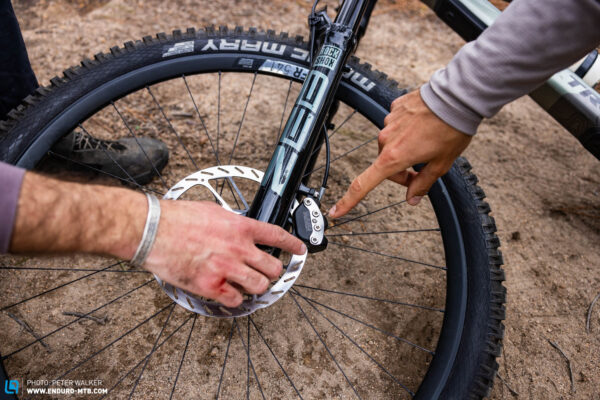
Don’t ride with a fault in the brakes, steering, wheels or tires. Take anything safety-critical, or beyond your repair experience, to a bike shop.
Match your training to your goal
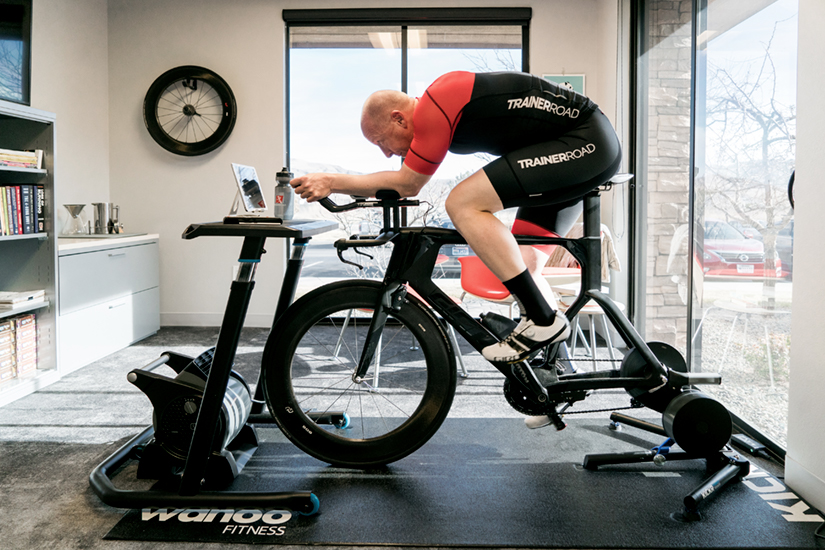
Progress can mean a regular weekend ride, dependable transport, longer road rides, more confidence on gravel or preparation for competition. Each goal changes what you work on next.
A familiar paved route works for steady exercise. Gravel and trails demand more terrain handling. Indoor cycling is another setting for regular riding. Speed and distance targets only mean something relative to your starting point and purpose, and there’s no universal beginner number.
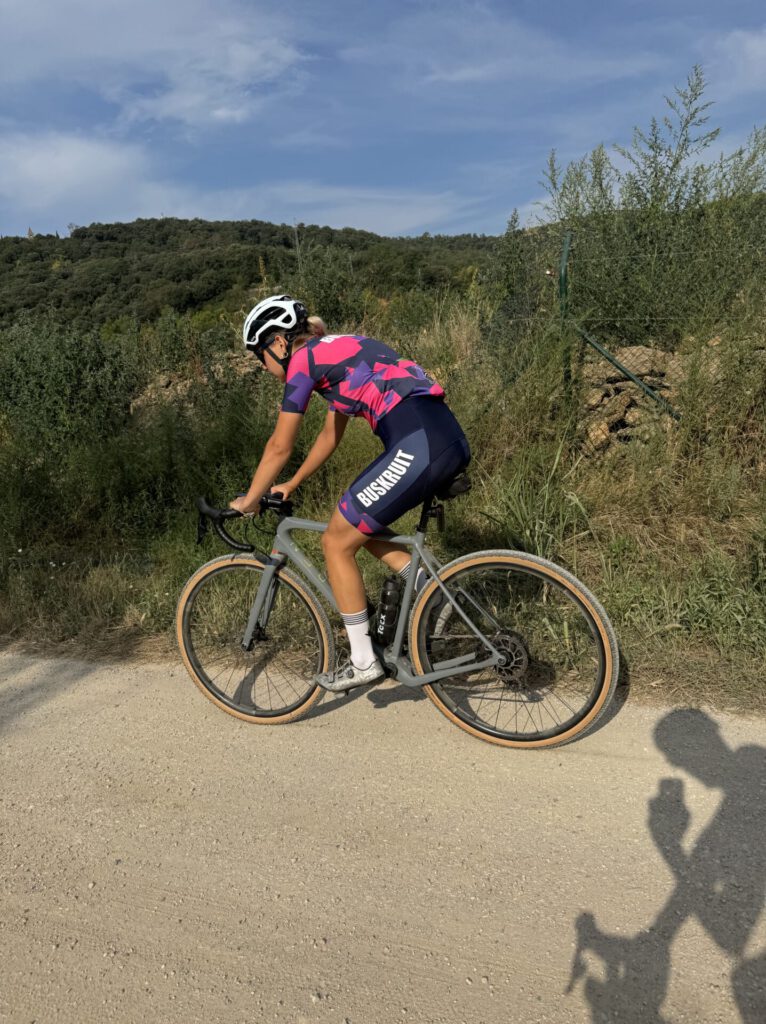
Pick one near-term goal that matches your current ability, then open the training, riding style or women’s racing section.
Find a group that rides at your pace

A group ride works best when you know its route, terrain, expected pace and how it treats riders who fall behind. “Beginner-friendly” means different things to different organizers, so ask. See the community guides for ways to take part.
| What matters | Why it changes the ride | Ask the organizer |
|---|---|---|
| Route and terrain | Traffic and surfaces change how the ride feels | Where does the route go, and on what surfaces? |
| Moving pace | A manageable distance can still come with a hard pace | What pace should participants expect? |
| Regrouping policy | Decides what happens when riders get separated | Where do you regroup, and what does no-drop mean for this ride? |
| Skills and equipment | Riding close together or tough route conditions need preparation | What should a new participant know and bring? |
No-drop usually means the group keeps riders together or regroups, but the organizer sets the details.