If you’re new to cycling or coming back after a break, ride only when three things are true: the bike works, you can handle it where you’re going, and the route fits the skills you have today. If one fails, fix it or start somewhere quieter. Begin with the ABC Quick Check below.
Check three things first
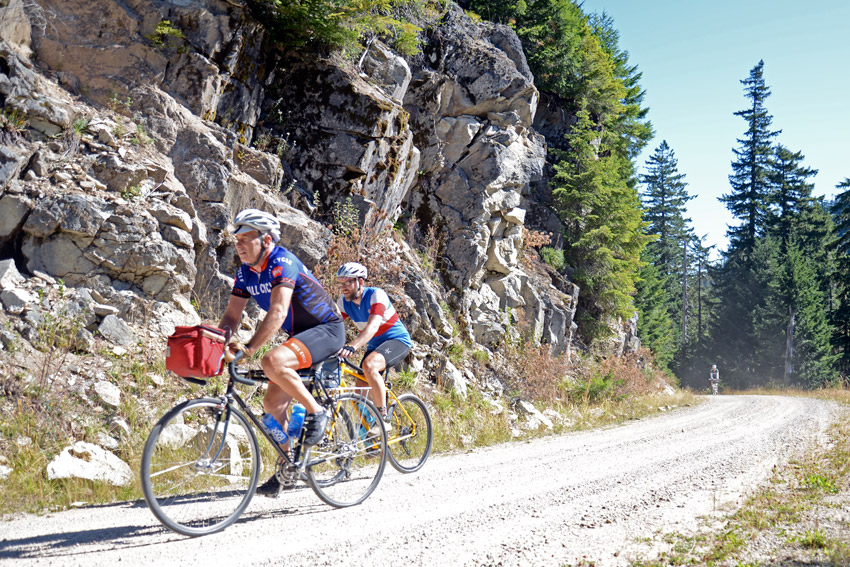
A ride that feels easy on a separated trail gets harder when the bike lane ends at a busy intersection. Judge three things separately: the bike, your handling and the route. The bike needs working brakes, tires, steering and wheel fasteners. You need to start, stop, steer, look behind and signal with the bike under control. The route’s traffic, intersections, surface, light and exit options have to match what you can do.
Mark each one ready, not ready or unclear. If you can’t tell, check again before you ride somewhere busy.
A confident rider still needs working brakes. Someone comfortable on a trail may need practice before handling cars and complex crossings.
Check your bike and helmet
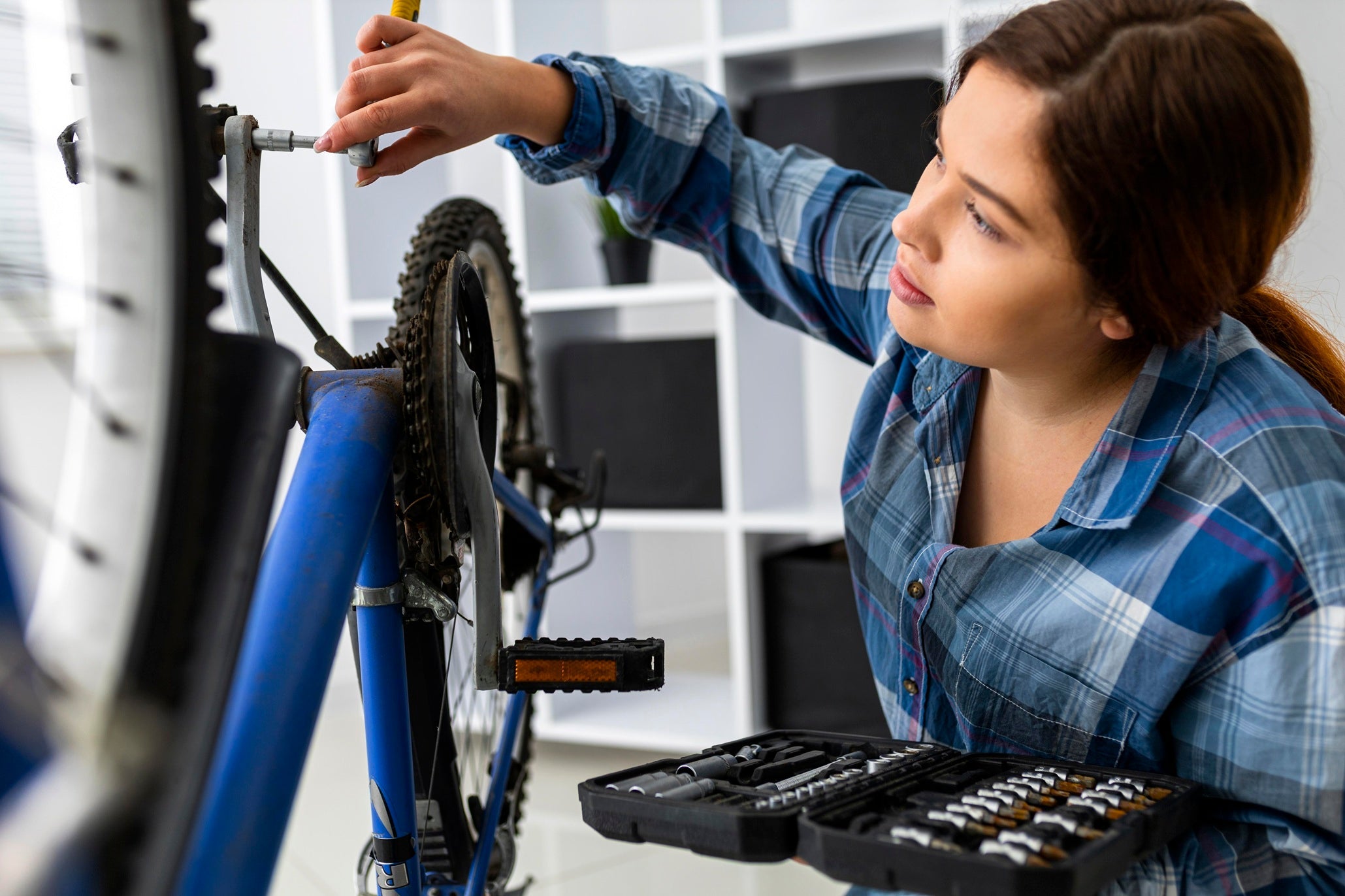
The League of American Bicyclists teaches the ABC Quick Check, a short inspection to do before you set off.
| Check | What to inspect |
|---|---|
| Air | Tire pressure right for your tires and bike |
| Brakes | Working brakes, with pads that show no obvious problems |
| Chain and Cranks | No obvious drivetrain looseness, harmful buildup or rust |
| Quick Release | Wheel fasteners secured. If your bike has thru-axles or another system, check that hardware instead |
| Check | A brief, slow test in a suitable place |
Stop if the bike behaves abnormally during the test. Don’t ride with a failed brake or any other safety-critical part until it’s fixed. For the complete demonstration, see the League’s Basic Bike Check.
A helmet needs to fit securely too. The NHTSA helmet-fitting guide gives three checks. The helmet sits level, with its front edge about two finger-widths above your eyebrows. The side straps form a V around your ears. The fastened chin strap is snug, with room for about two fingers beneath it.
The Consumer Product Safety Commission specifies impact, peripheral-vision, positional-stability and retention-strength testing for bicycle helmets under 16 CFR Part 1203, the federal bicycle helmet standard. The same standard applies to helmets marketed to women.
Practice in a quiet place first
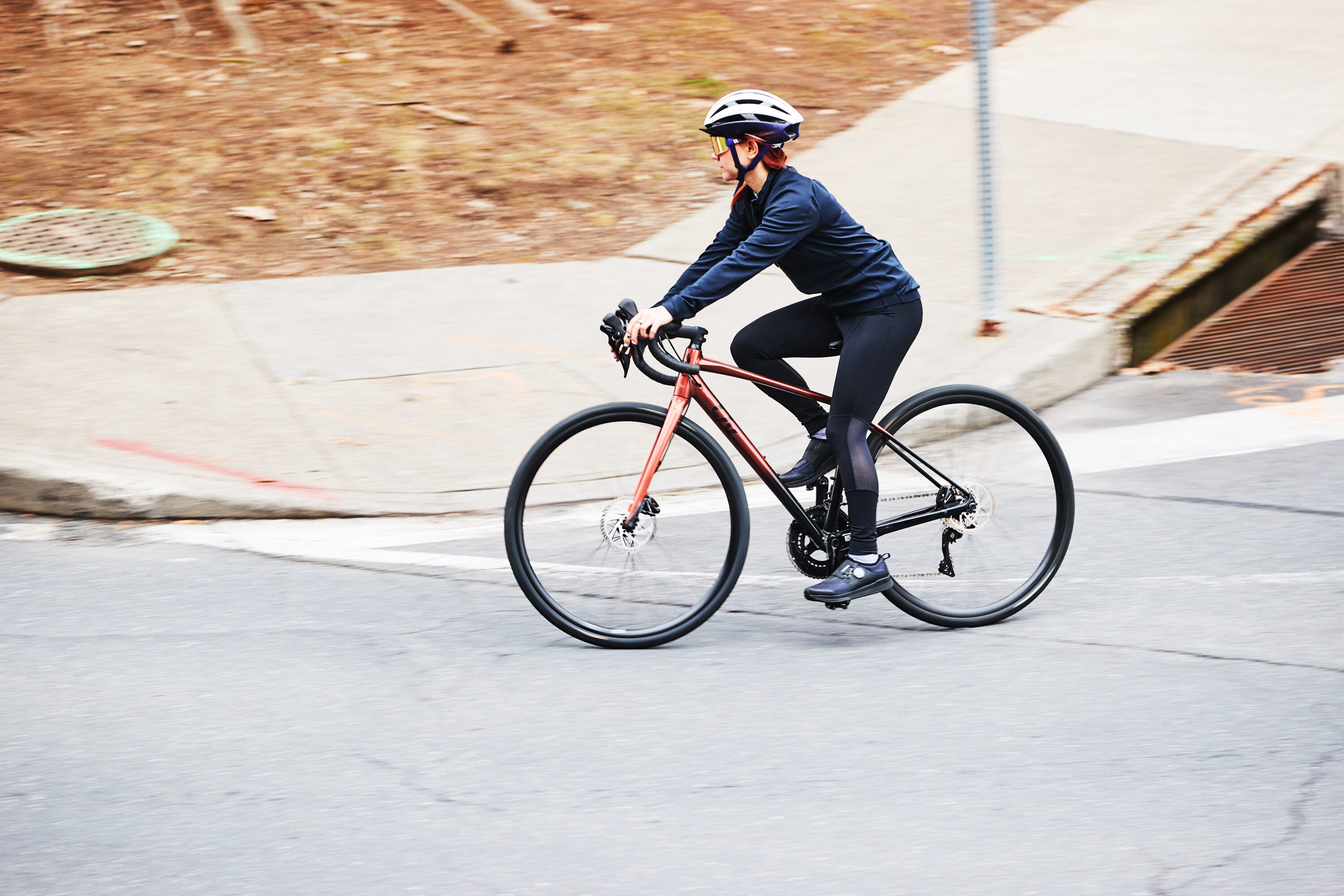
Basic control means steering predictably, braking smoothly, looking behind and signaling while you stay on course. Start in a traffic-free area, where a mistake won’t put you into moving traffic.
Learn how your brakes respond by starting with gentle stops. Locate your brake levers and shifters before you try a new maneuver.
- Start and stop: Set off smoothly, slow down evenly and come to a balanced halt.
- Hold a line: Steer a predictable path without weaving.
- Look behind: Check over your shoulder while you keep going straight.
- Signal: Signal a turn while you keep steering, and check conditions before you take a hand off the bars.
- Turn and observe: Ride an ordinary curve or turn while watching the space ahead.
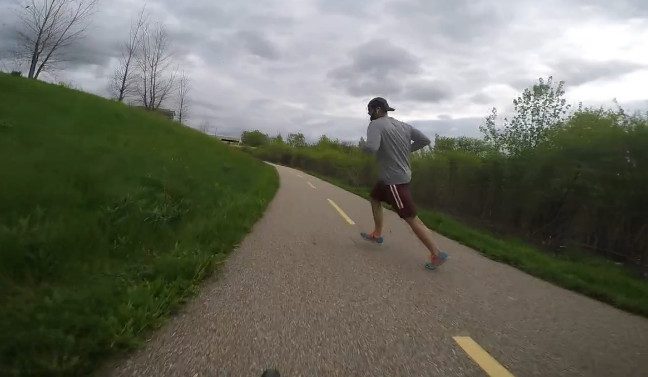
If looking over your shoulder pulls your front wheel sideways, keep practicing on quiet ground. You should be able to glance back without drifting or losing track of what’s ahead.
Once these feel comfortable, try a slightly less familiar setting, staying within what you can handle.
Read the traffic around you
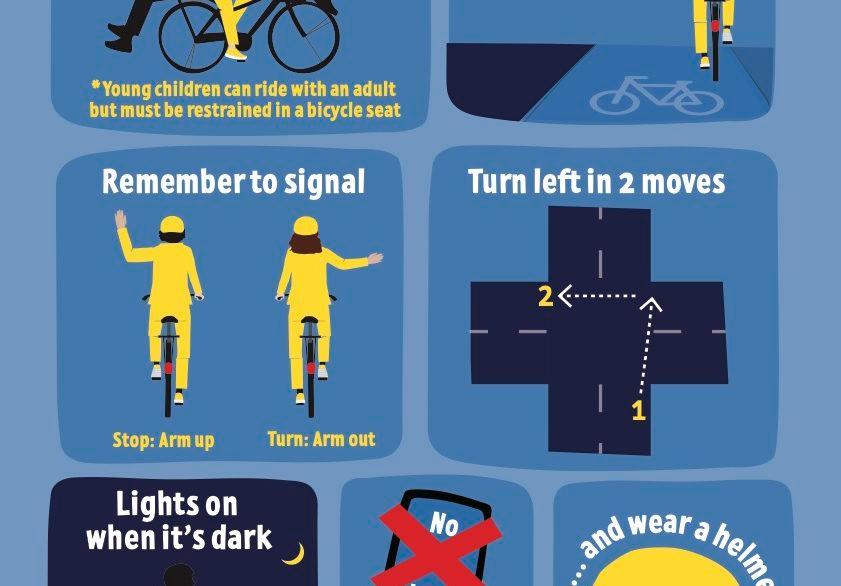
Ride a predictable line and look early, and you have more room to react when another road user changes direction. The League of American Bicyclists teaches riders to follow the rules, be predictable and visible, and think ahead.
- Parked cars: A door can swing open into the space beside a parked vehicle. That’s the door zone. Ride outside it. If you can’t, wait or take another route.
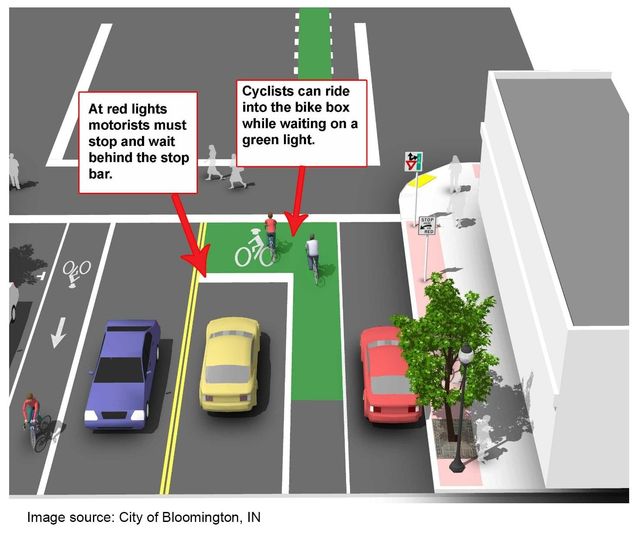
- Intersections: Turning vehicles cross your path, even where a bike lane continues through the intersection. Watch what the vehicle does before you commit to crossing.
- Driveways: Drivers entering or leaving a property cross your line, so look for them early.
- Debris and rough pavement: An obstacle can force you to swerve. Scan ahead so you spot it first.
- Bike lanes that end: The paint can stop before an intersection. Reassess the space and the traffic before you go on.
In low light, a white front light and a red rear light make you easier to see, and so does visible clothing. Neither stops a driver from crossing your path. Only physical separation from vehicles changes how exposed you are to traffic.
Rules on lane use, sidewalk riding, lighting and signaling vary among US states and localities, so check yours before you count on a particular road position or maneuver.
Pick a route you can handle
The route you pick sets how many demanding traffic situations you face. NHTSA recommends roads with lower speeds and less traffic. Don’t go by distance alone. A short trip with difficult intersections can call for skills you rarely use on a longer protected trail.
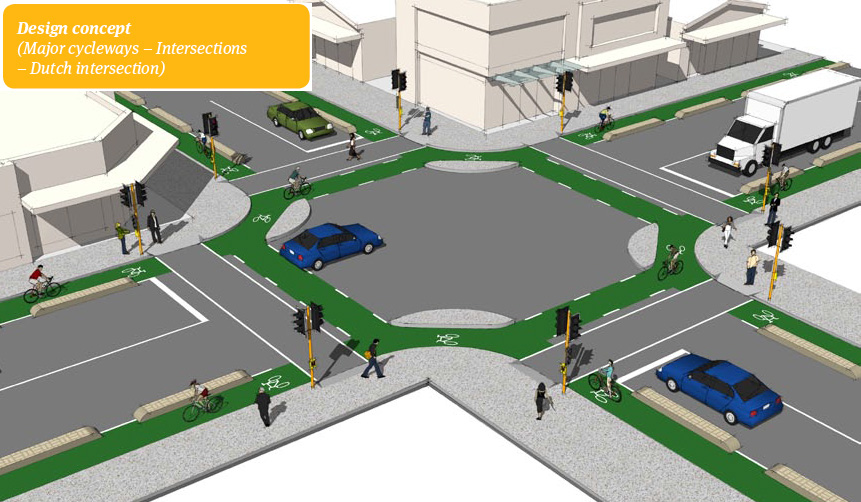
| Environment | What to watch for |
|---|---|
| Separated path | Other path users, turns, surface changes |
| Quiet neighborhood street | Intersections, driveways, occasional vehicles |
| Painted lane beside parked cars | Opening doors, turns, interruptions |
| Higher-speed road with complex intersections | Fast traffic and crossing conflicts |
| Evening route | Reduced visibility and changing conditions |
Two routes of similar length can ask very different things of you. Watch closely where a protected facility ends and you have to deal with an intersection shared with traffic.
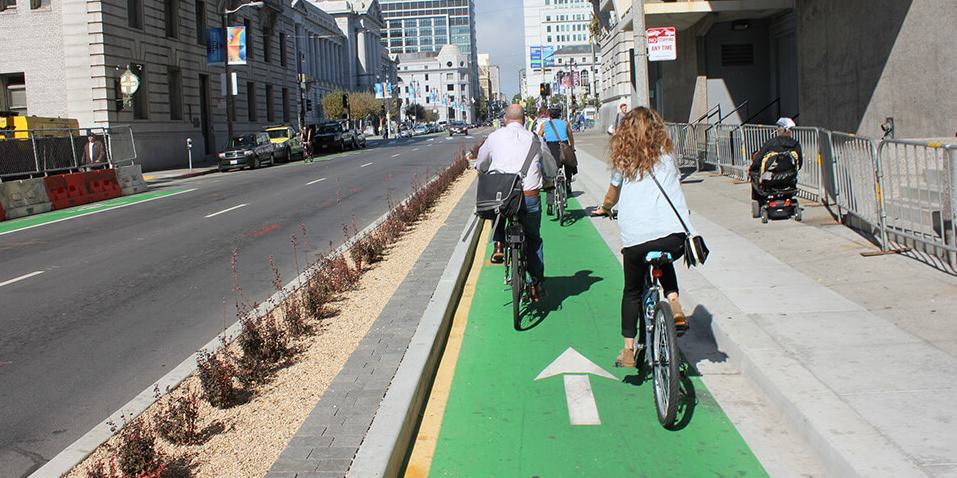
A 2023 Strava-based study covered 61 cities, and a separate street-level analysis in New York City found an association between cycling infrastructure, especially physically protected facilities, and a more balanced ratio of women to men riding.
If one stretch is beyond you, take another road or ride at another time.
Rebuild road confidence slowly
A cyclist back after time away wrote on r/ladycyclists: “I don’t know where my road confidence went.” Start with a familiar ride, then add one new challenge, such as a quiet intersection after a separated path. If your handling or comfort slips, go back to the easier setting before you try that challenge again.
Plan your way out when riding alone
After an unwanted encounter on a rural route, one cyclist asked how others deal with being harassed when riding alone. If an interaction escalates, disengage and get to a more public or otherwise safer place.
- Contact: Carry a working way to ask for help. A mechanical failure can leave you needing repair help or a ride, and some areas have poor reception.
- Stop or return: Know at least one place where you can pause, turn back or leave the route.
- Change the plan: Shorten or end the ride when a mechanical problem, fading light, a road condition or someone’s behavior changes the situation.
Get instruction or join a group
A qualified cycling instructor can watch a specific problem, such as drifting during a shoulder check, and coach you through it in a suitable setting. The League of American Bicyclists Learning Center offers educational resources and routes to instruction. Local options vary by program and area.
On r/ladycyclists, a cyclist who reported averaging about 10 to 12 mph said, “i’m terrified of being the slowest one and holding the group back.”
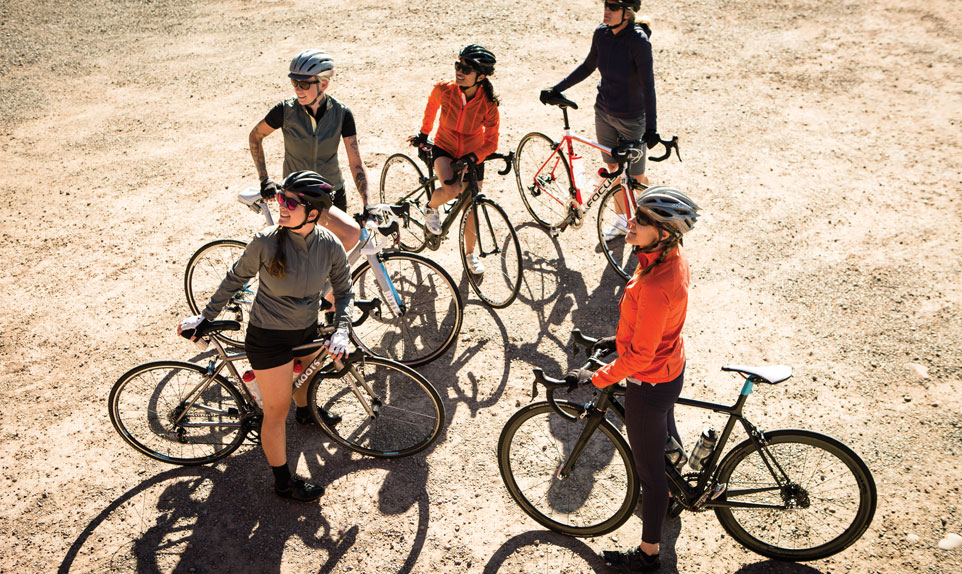
Before you join an organized ride, read its description or ask the organizer about expected speed, hills, regrouping and equipment. A no-drop label suggests the group will regroup or accommodate slower riders, so ask how that works for the specific event.