
For a new US fan, the best way into women’s professional road racing is to pick one event: a one-day Classic, which is over in an afternoon, or a stage race, which runs over several days.
You don’t need to know every team, rider or race on the calendar. One event shows you riders attacking, teams chasing and a contested finish.
If you follow men’s racing
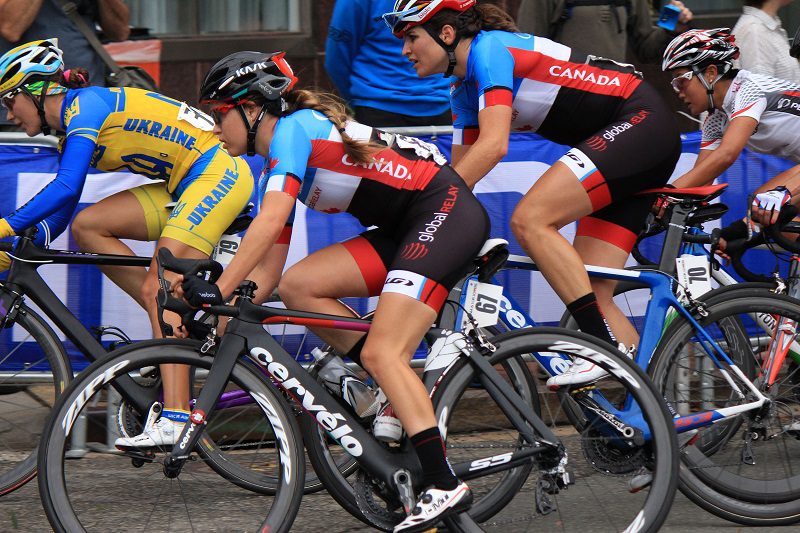
If you follow men’s racing, you already know the peloton and the sprint finish. The teams and race names are the new part.
The Women’s WorldTour and its teams
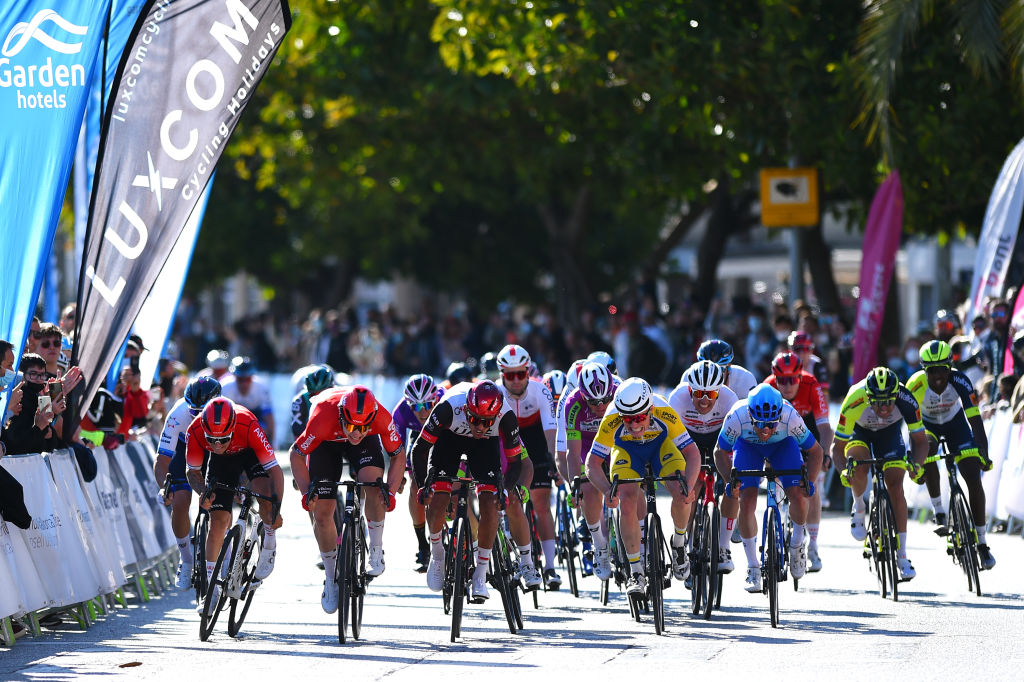
The Union Cycliste Internationale (UCI) is cycling’s international governing body. Its Women’s WorldTour is a series of top-level international women’s road races, both one-day and multi-day. Women’s professional road racing also includes competitions outside that series. Each race, such as the stage race Tour de France Femmes, has its own competition and result.
Women’s trade teams fall into these UCI categories:
| Team category | What it is | Detail |
|---|---|---|
| UCI Women’s WorldTeam | First division of women’s trade teams | The UCI allocated 14 licences in its 2026 to 2028 cycle |
| UCI Women’s ProTeam | Second division of women’s trade teams | Introduced in 2025; seven teams registered for 2026 |
| UCI Women’s Continental Team | A further team category | Registration and professional status differ from the top division |
The team figures come from the UCI’s 2026 to 2028 licensing announcement, which also names FDJ UNITED–SUEZ among the women’s teams. Licences are subject to annual registration.
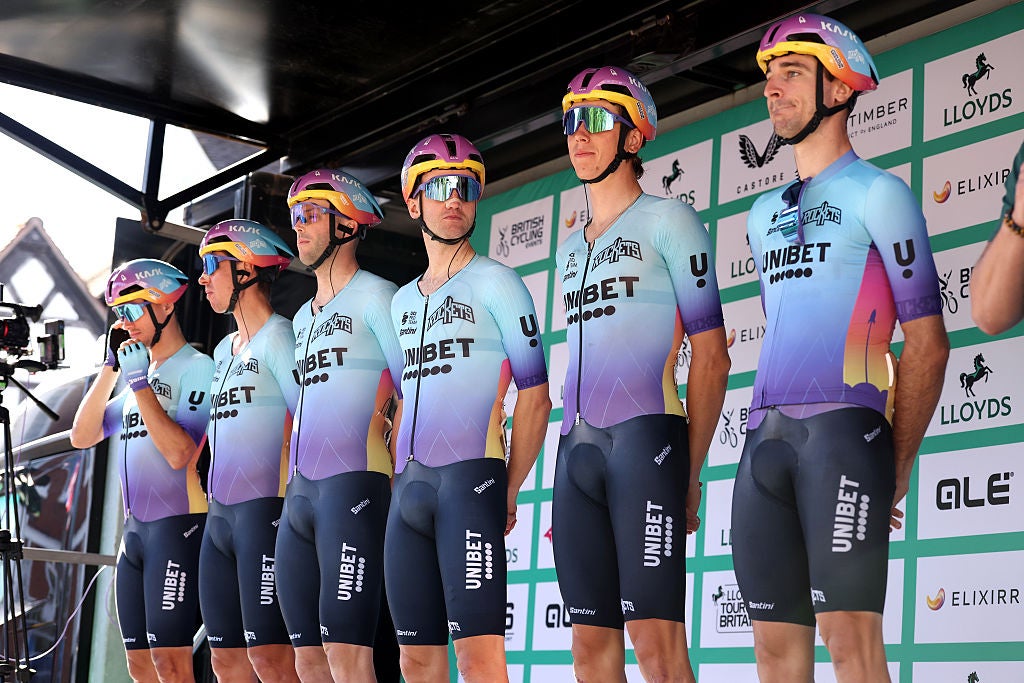
When a team name appears beside a race result, it is the rider’s trade team. The UCI Road World Championships are the exception: a separate international championship outside the series, where national representation is part of the structure.
Which race to watch first
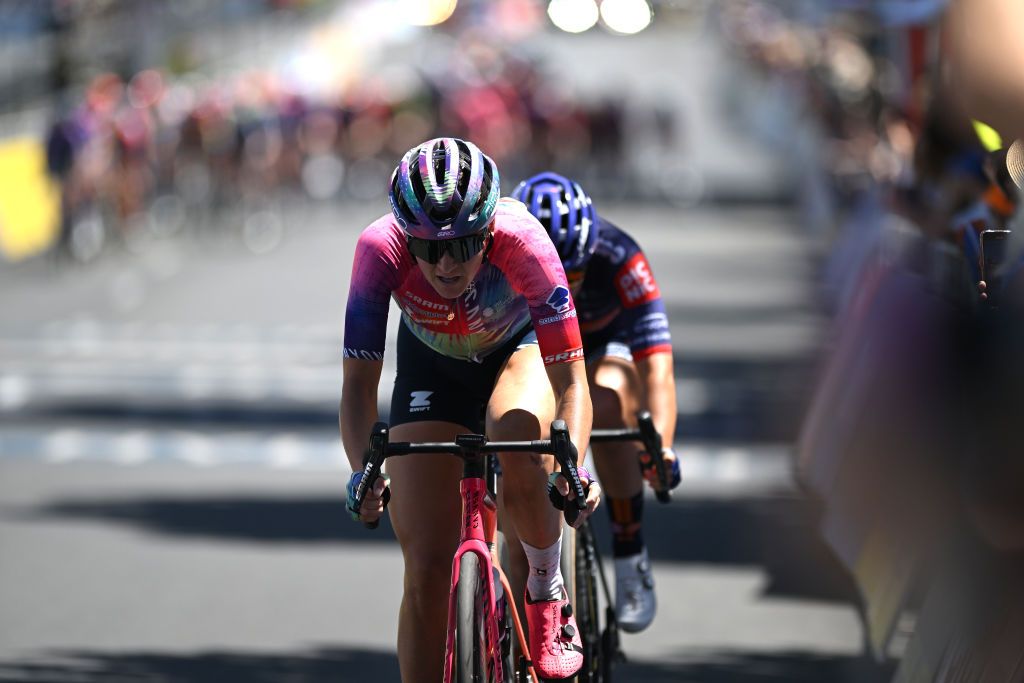
A one-day Classic is one race with one finish. A stage race has a winner every day plus an overall contest that develops across the event.
One-day Classics
Paris-Roubaix Femmes and Tour of Flanders Women are established one-day races. Paris-Roubaix Femmes is known for its cobbled roads, which help decide which riders are still in contention for the win. A breakaway or late attack can decide whether the finish is a group sprint or a contest between a few riders.
Stage races
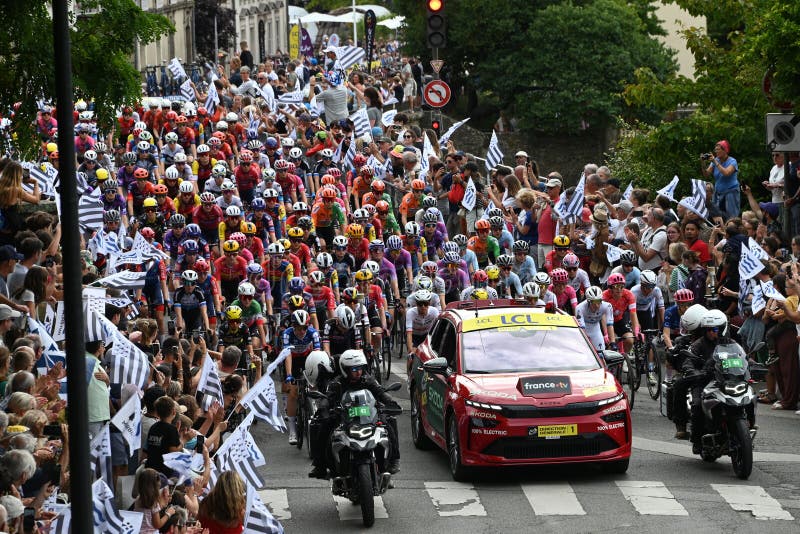
Tour de France Femmes, Giro d’Italia Women and La Vuelta Femenina run over multiple stages. Each stage has its own finishing order. The general classification, or GC, ranks riders across the whole race, so a stage winner and the overall leader can be different riders.
You can watch a single Tour de France Femmes stage finish as a complete contest. If you follow several stages, you also see who gains or loses time in the overall race.
Riders, teams and tactics

The peloton is the main bunch. A breakaway is one or more riders who move ahead. A team’s leader is a rider whose result is a tactical priority, and a domestique supports teammates. A sprinter is suited to a fast finish, a climber to demanding ascents.

Picture a breakaway gaining time. A team with a rider in it has no reason to chase, so its other riders sit in the bunch and save energy. A sprinter’s team that wants a bunch finish has reason to organize a chase. The two groups want different things, and that explains changes in pace well before the final kilometers.
Pick one rider, one team or one role to follow during a race. Watching how teammates respond to attacks makes the tactics easy to read without memorizing a changing roster.
Watching in the US
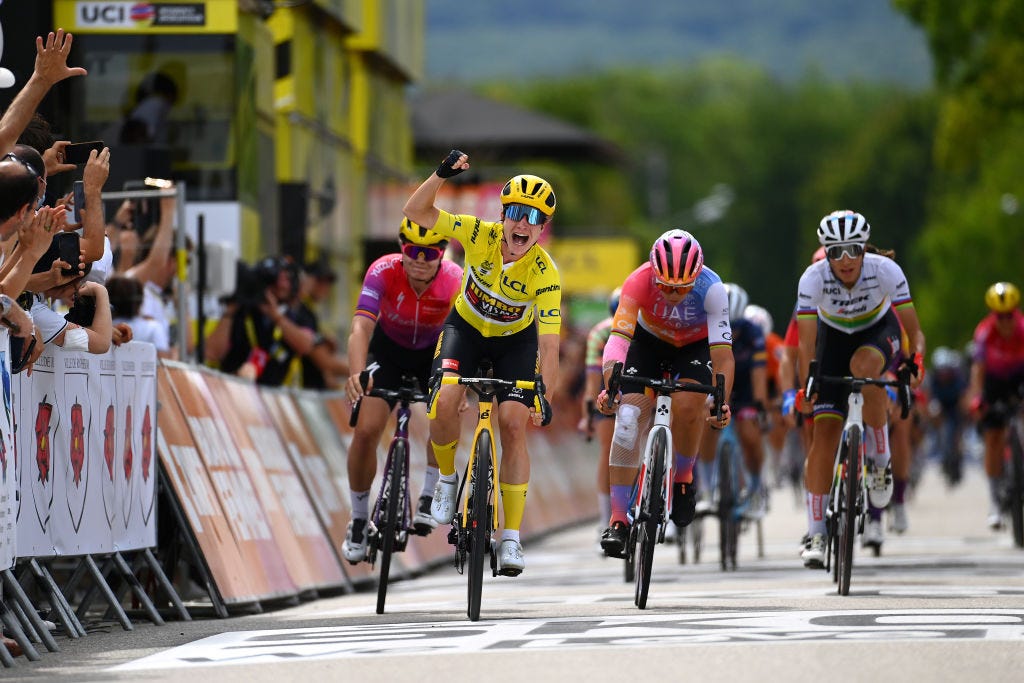
US viewing depends on the event and the edition. Start on the organizer’s site: find the race and the edition you want, then look up the United States on its broadcaster page, because broadcasters differ by country.
The official Tour de France Femmes broadcaster page, for example, lists NBC Sports / Peacock for the United States on its 2027 edition. US guides to professional cycling coverage also list FloBikes, HBO Max and Peacock as separate outlets.
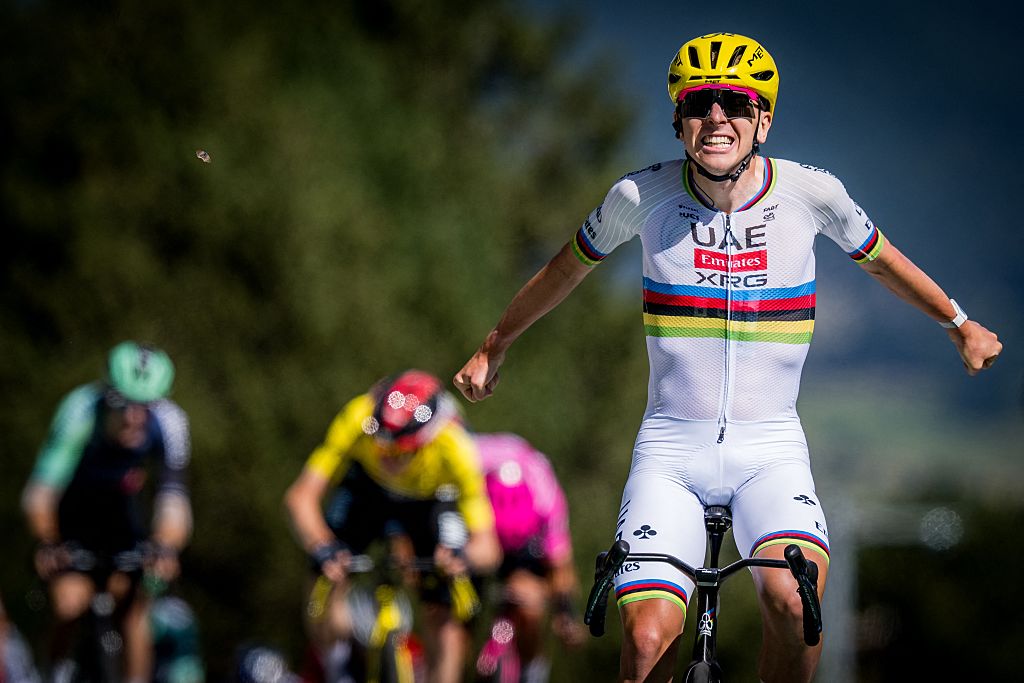
Follow the authorized live broadcast, replay or condensed coverage offered for that event. Official results give you a text-based alternative.
Start lists, results and coverage
Before a race, the official event information carries the start list, and established cycling coverage previews what kind of contest to expect. During the race, follow the broadcast or the event’s live updates. Afterward, the organizer’s or UCI’s official results give the finishing order, and cycling journalism and specialist coverage explain how the race unfolded.
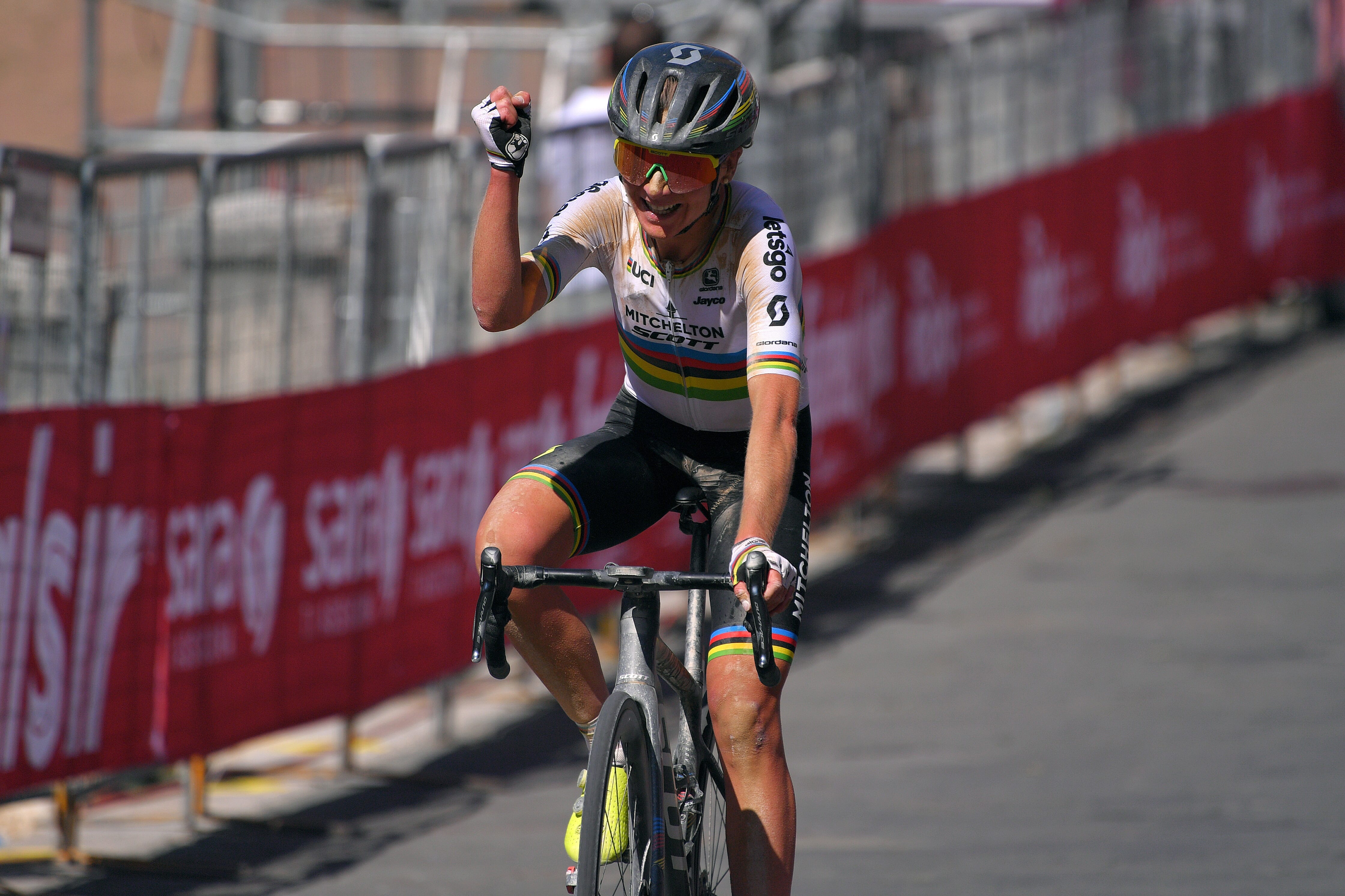
Start lists can change before racing begins. In a stage race, compare each day’s finishing order with the GC to see whether a stage result changed the overall standings.
Checking race dates
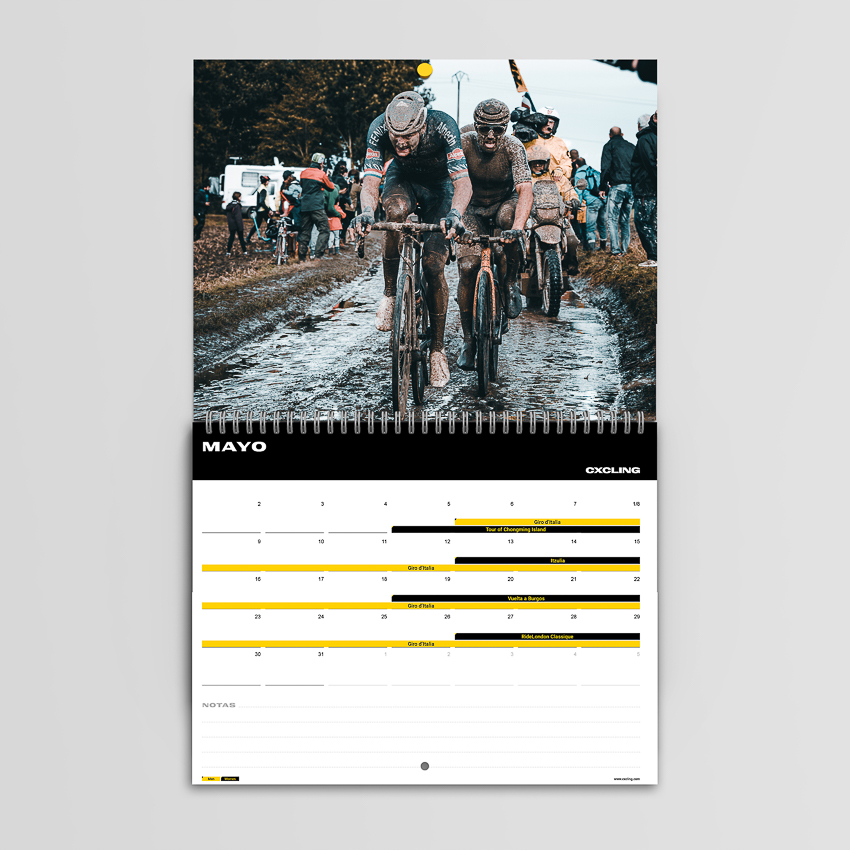
A race’s date and level can change after the season calendar is approved. The UCI approved its original 2026 Women’s WorldTour calendar on June 12, 2025, but a later UCI calendar announcement changed the schedule for Tour de Suisse Women and Copenhagen Sprint, and another amendment moved Simac Ladies Tour from the Women’s WorldTour to the ProSeries. A date change and a level change are separate matters.

Before you add a race to your calendar, confirm:
- Whether the event is going ahead, and at what level.
- Its updated date, on the organizer’s page or the current UCI calendar.
- Its start time in the event’s stated time zone, converted to your time in the US.
After your first race
If you want to compete yourself, read USA Cycling’s guide to entering road racing.