Keep your waist shorts if the band stays flat when you lean forward and the pad stays put. If the waistband rolls or digs in, try a wide high-rise pair first, and switch to bibs if the shorts slide down or your jersey leaves your lower back bare. If you stop for the bathroom a lot, waist shorts are simplest; for bibs, get a drop-tail or magnetic-release pair.
If your waistband folds into your stomach every time you reach for the handlebars, you’ve got a reason to look at bibs. The two styles differ in three ways: what holds them up, where they press, and how quickly you can get out of them at a bathroom stop.
Bib shorts vs waist shorts: the quick decision
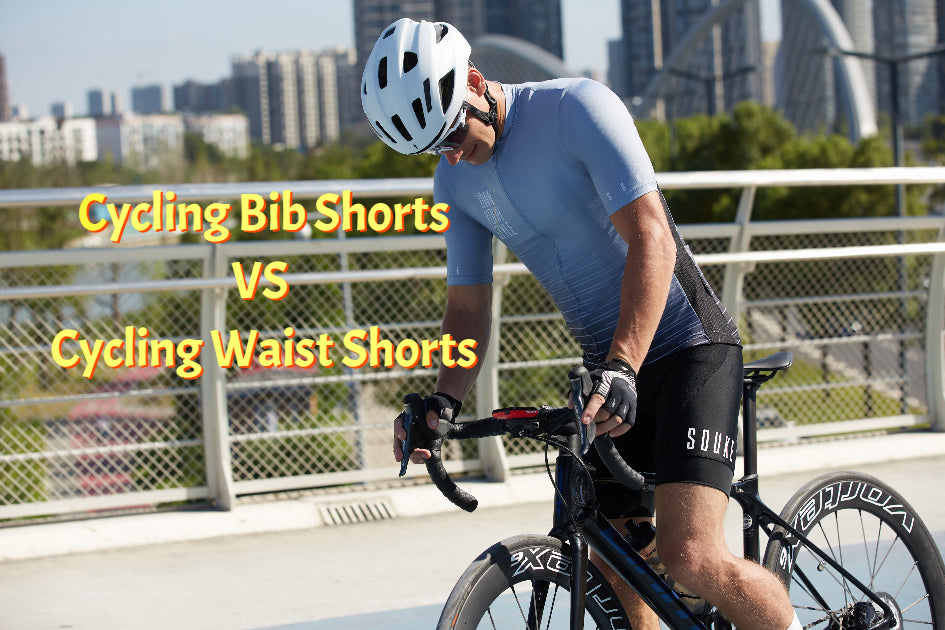
The main difference is what holds the shorts up: a waistband or shoulder straps.
| What you’ll notice | Waist shorts | Bib shorts |
|---|---|---|
| How they stay up | Waistband | Shoulder straps and torso panels |
| Pressure at the waist | All on the band | Less, since the straps share the load |
| Shoulder fit | No straps to fit | Strap length and tension have to suit your torso |
| Lower-back coverage | Set by the rise and your jersey | Higher back covers more |
| Bathroom access | Pull the waistband down | Move your jersey and straps first |
| Changing before or after a ride | Pull on or off | Straps add an upper-body step |
What changes when shorts have straps?
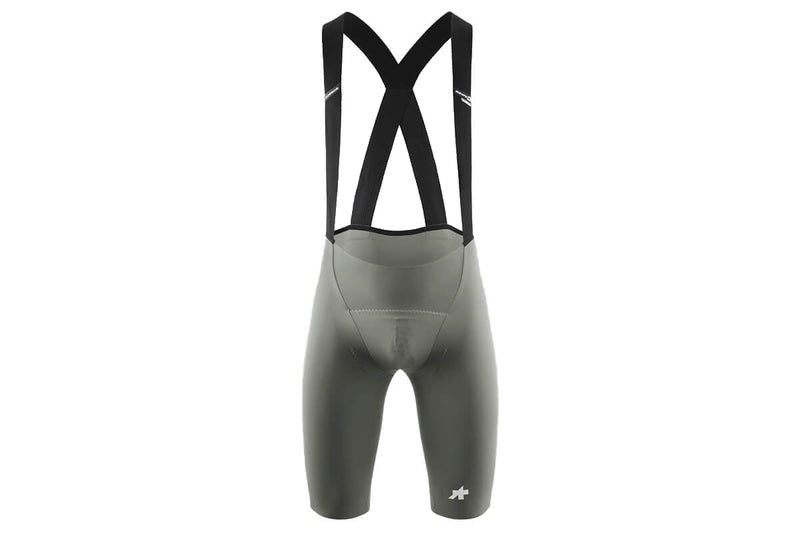
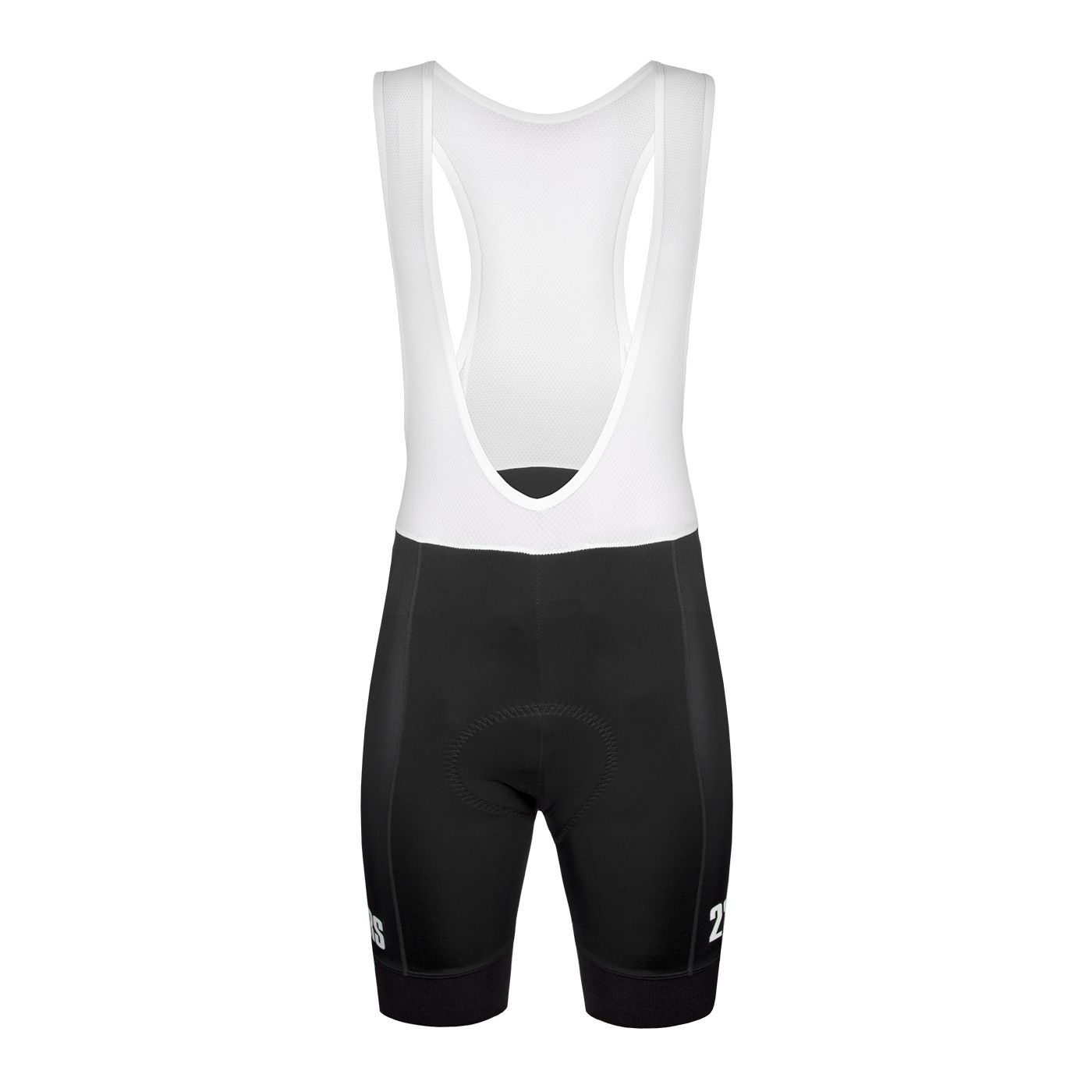
Waist shorts stay up with a band around your waist. Bib shorts run up into shoulder straps, usually with fabric panels linking the shorts to your upper body.
The straps hold everything in place as you bend toward the handlebars or shift around on the bike. Since the shorts rely less on elastic around your middle, a bib that fits puts less squeeze on your waist.
Bibs also cover more. When your jersey rides up, the higher back keeps your lower back covered.
The trade-off is extra fabric and straps on parts of your body that waist shorts leave bare.
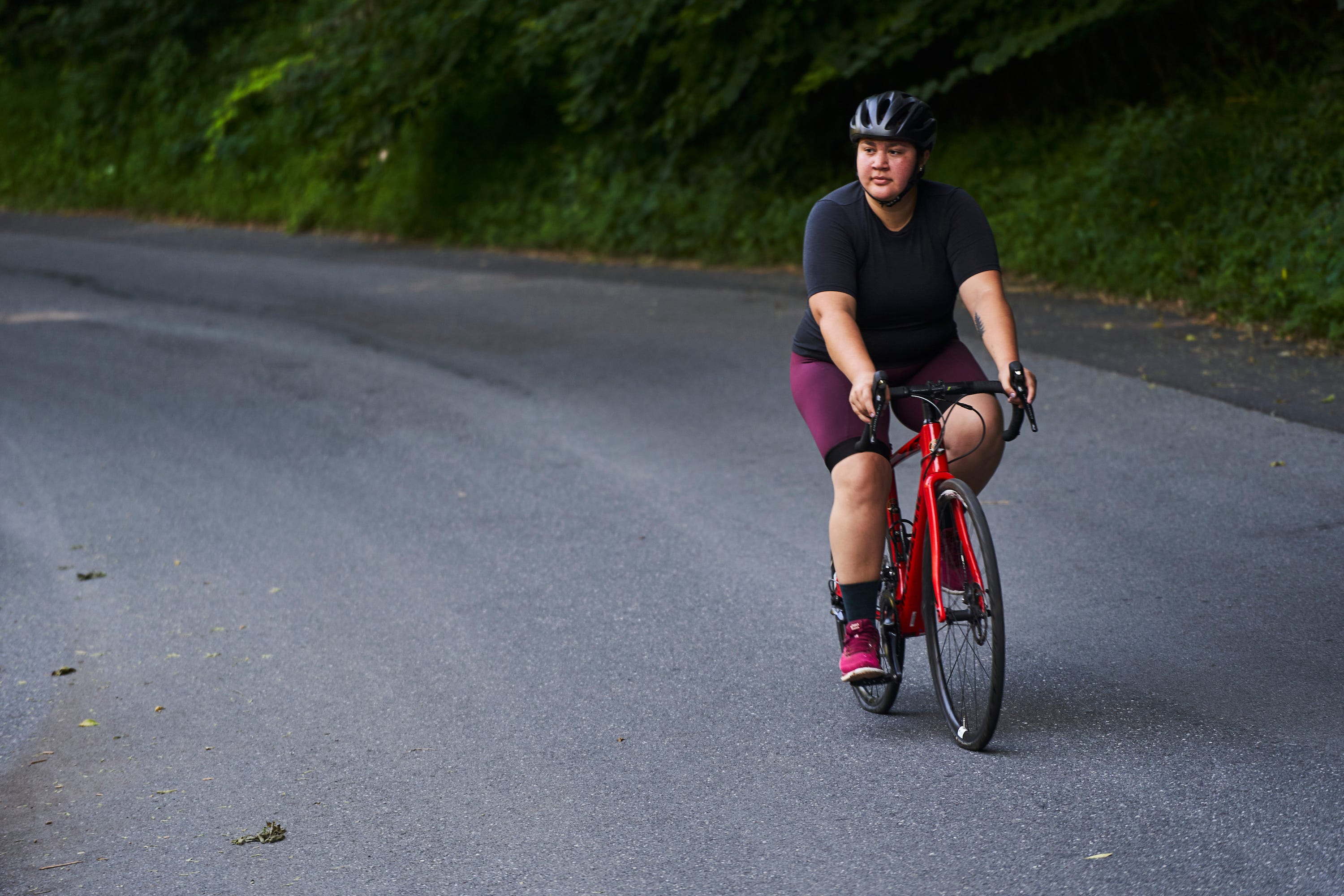
Waistbands vary as much as bibs do. A narrow band that curls into your stomach feels nothing like a wide, supportive high-rise one. If yours rolls, try a wide high-rise pair before you buy bibs.
In Femme Cyclist’s Terry Breakaway review, a reviewer who usually prefers bib shorts found the broad waistband worked well.
Both styles have a chamois, the padded insert sewn into cycling shorts.
Comfort and fit: waist pressure, shoulder straps, and torso length
Bibs take the load off your waist and put it on your shoulders. Now the straps have to fit your torso.
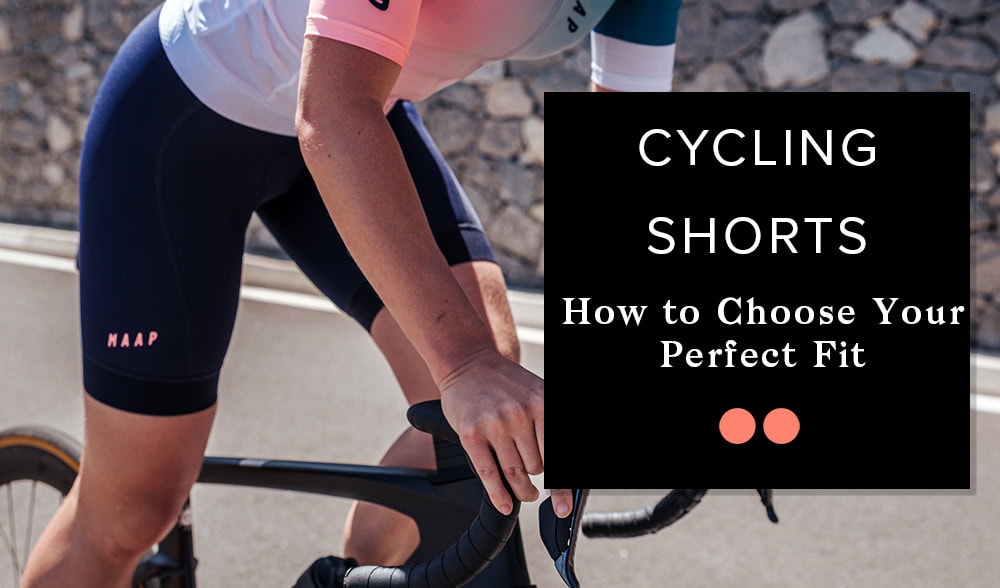
Waist shorts show their weak spots when you lean forward. A band that feels fine standing up can fold, roll or dig into your stomach once you’re in a riding position. In the wrong cut or size, the shorts also slide.
Bibs bring their own fit problems. The shorts can fit your hips and thighs perfectly while the straps cause trouble. Women’s cycling threads describe both versions: straps that pull at the shoulders even though the hip size looks right, and straps that sit too loose on a shorter torso to hold the shorts up.
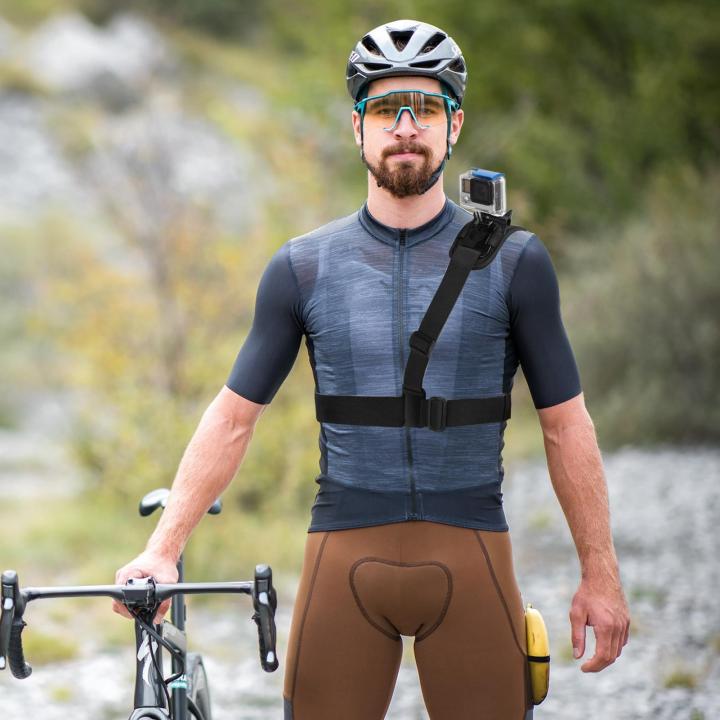
Your sports bra is part of the fit too. Bib straps that overlap, twist or press against bra straps get irritating.
Should you size up if the bib straps pull at your shoulders?
No. A bigger size eases the straps but leaves the shorts loose around the hips and chamois. Check that model’s torso and strap fit, then try a different cut in your usual size or go back to waist shorts.
Bathroom breaks: waist shorts, traditional bibs, and easy-pee bibs
Waist shorts make bathroom stops simple: pull the waistband down and you’re done. Traditional bibs take more work, because the straps tie the shorts to your upper body.
| Design | How you get access | What to check |
|---|---|---|
| Waist shorts | Pull the waistband down | How flexible and comfortable the band is |
| Traditional bibs | Move your jersey and straps, then lower the shorts | How easily you can do it |
| Stretch or drop-tail bibs | Pull the back section down, the way the design allows | How much stretch it takes and how freely you can move |
| Detachable or magnetic-release bibs | Open the clips or magnets, then reconnect them | Whether you can reach and work them, and whether they reattach securely |
Easy-pee bibs is an informal name that covers several designs. Velocio describes the FlyFree system on the Velocio Women’s LUXE Bib Short Short as a stretchy access arrangement. The PEARL iZUMi Women’s PRO Bib Shorts use a drop-tail. ASSOS puts BisiClick magnetic closures on the ASSOS UMA GTV Bib Shorts C2 EVO.
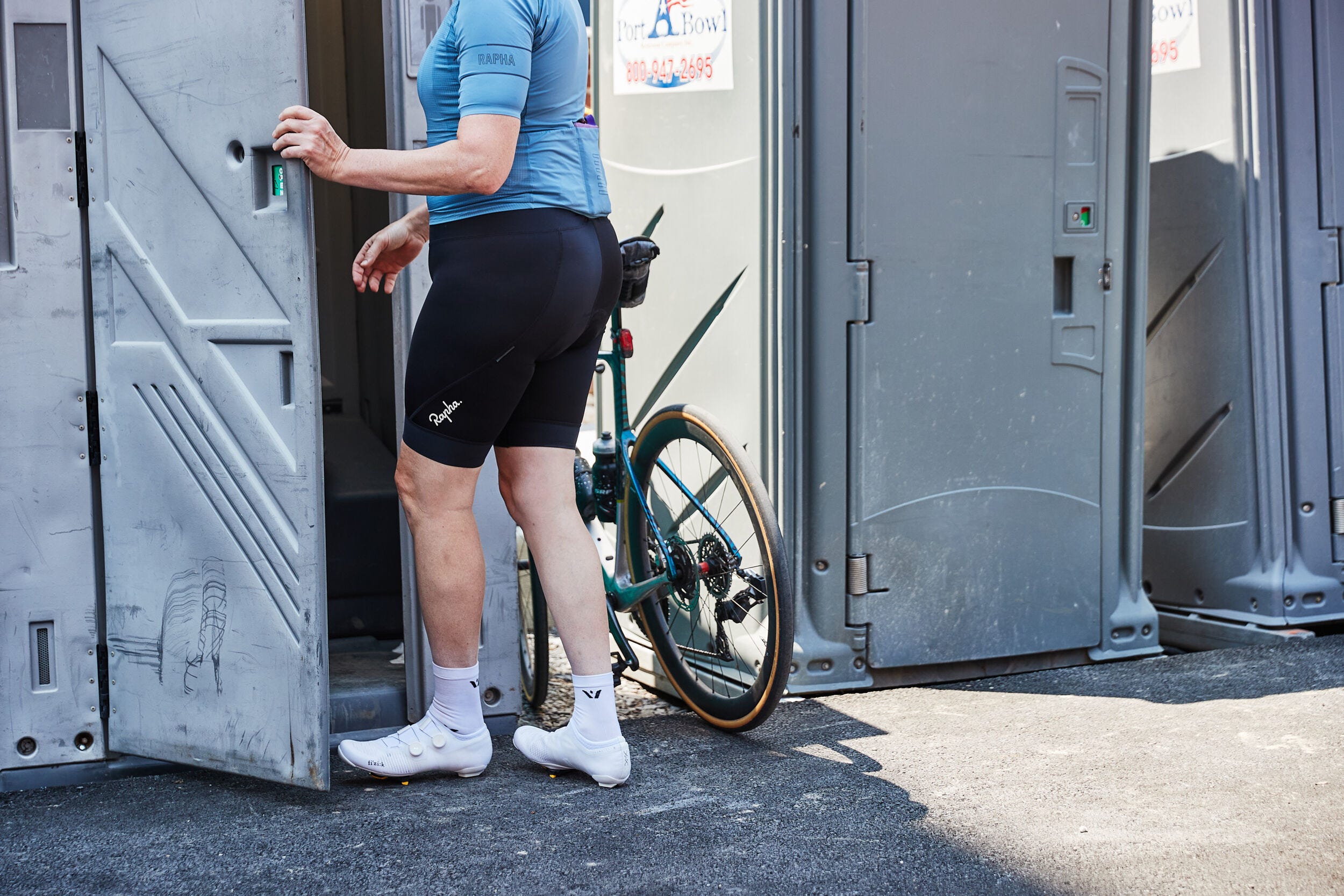
A dressing-room try-on can fool you. In a thread about rural bathroom stops, one rider described struggling to pull down a drop-tail while sweaty, trying to find a private spot behind a tree. A tight jersey, no privacy, damp fabric and the position you have to get into all make it harder.
The chamois and saddle are separate fit questions
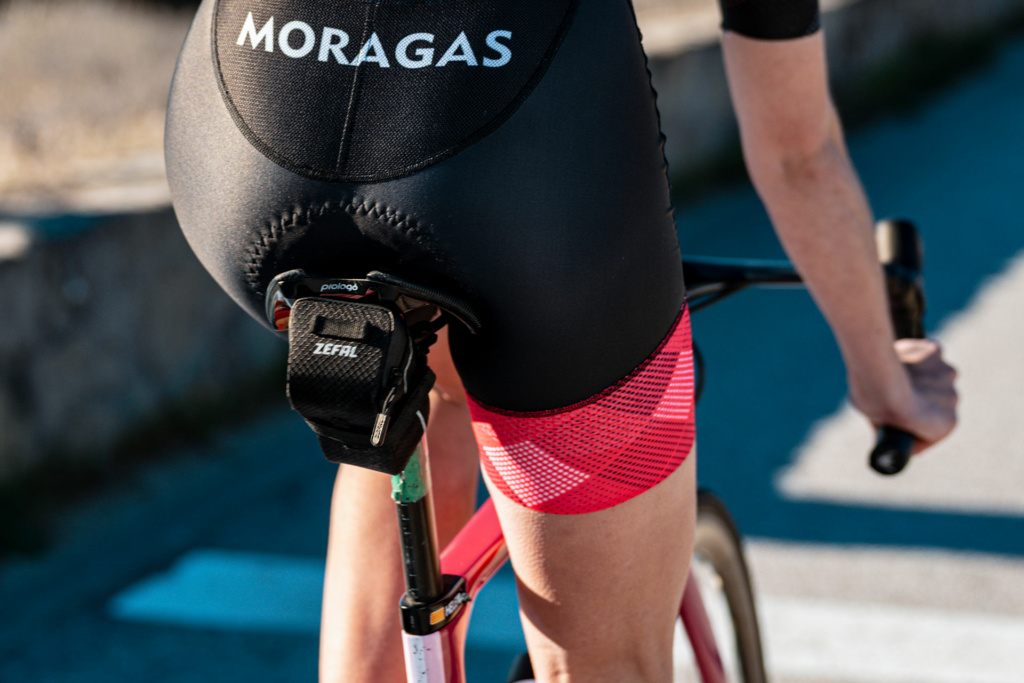
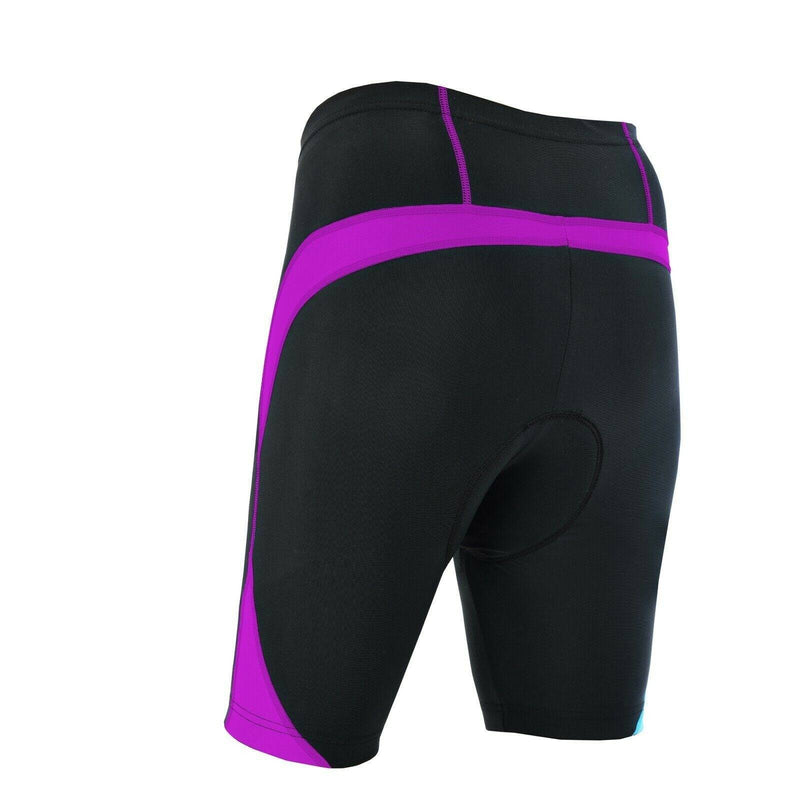
Switching from waist shorts to bibs won’t fix pain at the saddle. Both come with different chamois shapes, padding layouts, seams and materials. Shorts that stay perfectly in place can still have a pad that presses in the wrong spot or rubs your skin.
A randomized field study in Ergonomics followed 183 recreational female road cyclists for 12 weeks. It compared bib shorts with a half pad and with a full pad. Less padding in the crotch didn’t make the measured sensations worse overall. The one exception was sit-bone irritation or tenderness at week two, and that difference didn’t last.
The Ergonomics study only looked at padding inside bib shorts. It didn’t compare bibs with waist shorts.
In a 2018 ergometer study, 19 women rode for 20 minutes on each of three saddles. Average overall pressure was similar, but it spread differently. The experimental saddles increased sit-bone discomfort, and crotch discomfort showed no significant difference.
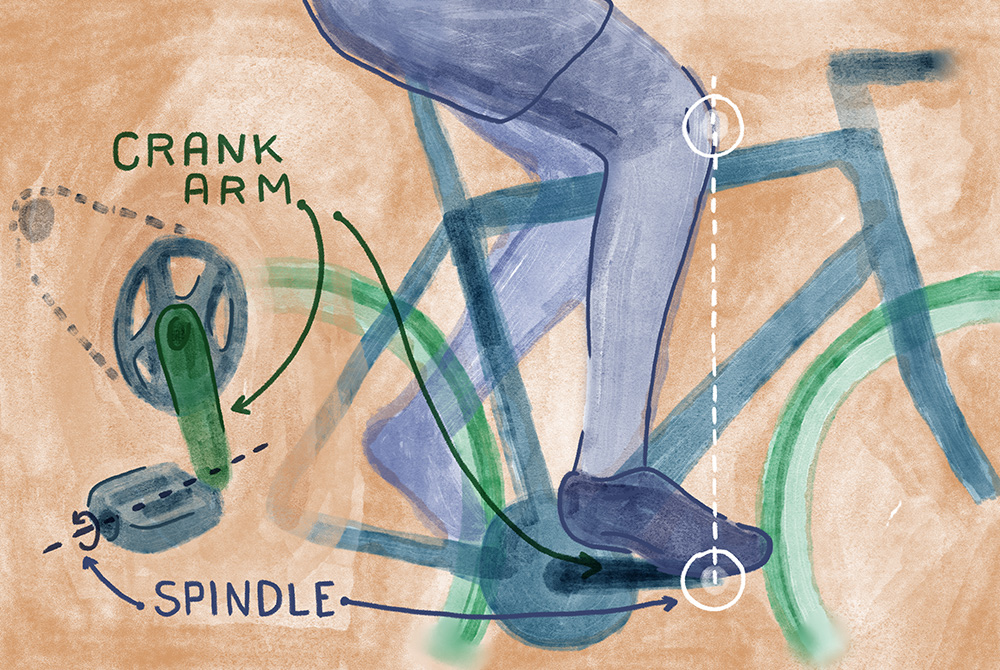
So match the fix to the spot. Pressure at the waist means changing what holds the shorts up. Pain at a pad seam or where you touch the saddle means checking the chamois and your bike fit separately.
If pain or numbness keeps coming back or gets bad, have it checked by a professional. New shorts won’t tell you the cause.
How to check fit before buying
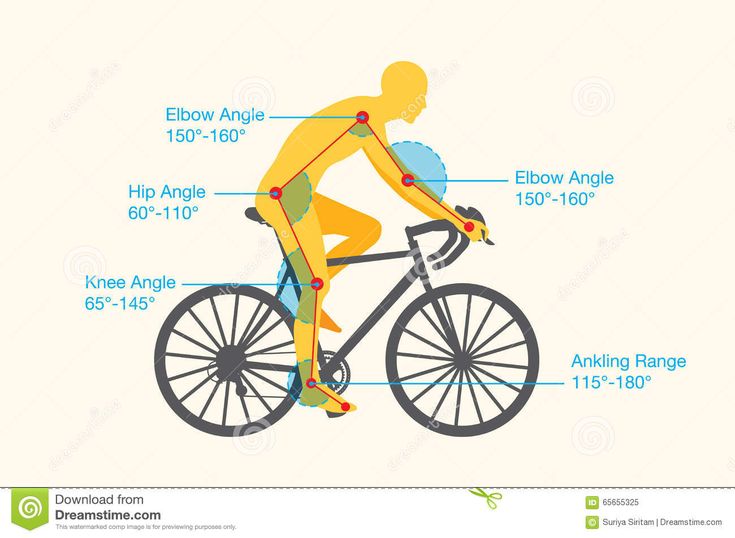
Shorts that look right in the mirror can behave differently once you bend over or move your legs.
Start with the size chart for the exact model and go by the measurements that brand uses. Your usual size from another brand won’t tell you much.
- Check the waistband or straps. With waist shorts, look for digging, folding or slipping. With bibs, look for twisted straps, shoulder tension, slack, or bunching along your torso.
- Find the chamois. The pad should sit in the center and lie flat where the design puts it. Look for folds or pulling fabric that move it.
- Check the leg openings. Move your legs gently and watch for hems that roll, shift or rub.
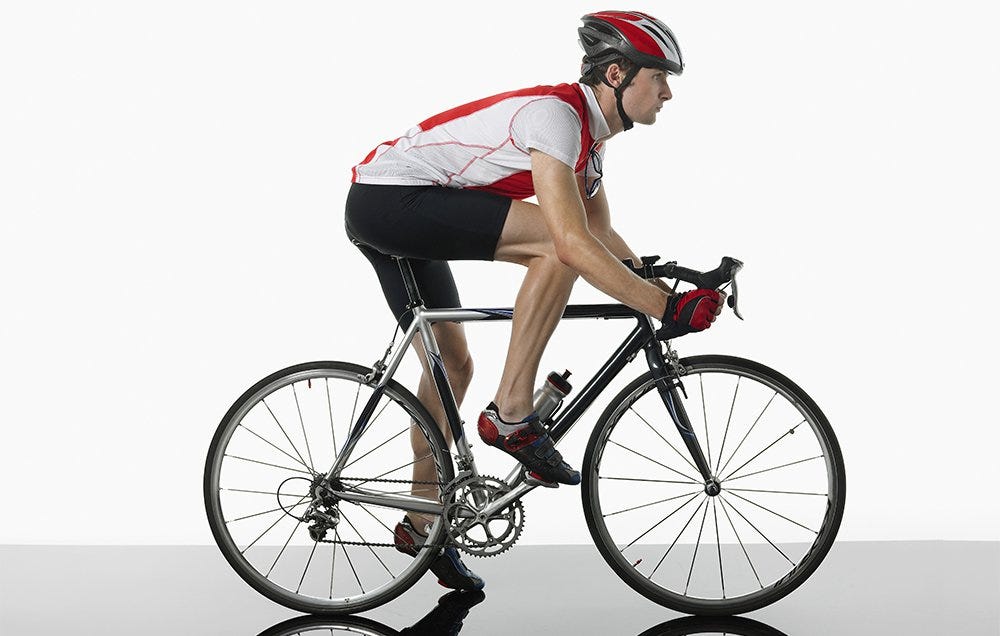
- Get into your riding position. Lean forward as you would on the bike. Check the waistband, straps, front panel, lower-back coverage and how the straps sit with your sports bra.
- Rehearse a bathroom stop. Wear your usual jersey and bra. Use the actual drop-tail or release: lower the shorts, deal with the straps or fasteners, then pull everything back up with the chamois where it belongs.
- Read the return terms. Find out which fitting or riding tests the seller allows before you do anything that could rule out a return.
If you can do it safely, pedal gently on a stationary bike. You’ll catch shifting that standing still hides. It won’t tell you how a long outdoor ride will feel.
One first-time buyer asked how snug bibs should feel and whether shopping in person would make that easier to judge. Fair question. The shorts have to stay put, yet too much squeeze or pull gets uncomfortable.
Long rides, indoor sessions, and hot weather
On long outdoor rides, a stable fit, seams and bathroom logistics count for more. Still, no distance or ride time makes bibs a must. One cyclist preparing for a long outdoor ride reported seam discomfort that a shorter indoor test hadn’t shown. A good first fitting won’t answer every question.
Indoors, waist shorts make quick changes easier and leave less fabric around your torso, which helps when the heat gets uncomfortable. Fabric and ventilation make a difference too. Experienced commuters report riding comfortably in waist shorts for years.
Are bib shorts worth the extra purchase?
Paying more for bibs makes sense when they fix a specific problem with your current shorts.
One cyclist considering bibs had no real complaint about her inexpensive BALEAF waist shorts. She wanted to know whether paying more would get her a worthwhile improvement. Without a problem to fix, curiosity alone isn’t a reason to replace a pair that works.
Bibs aren’t always the pricier option, either. Materials, padding, design and access features differ between pairs.
Which style should you choose?
| Your situation | Try this |
|---|---|
| Your waist shorts stay comfortable | Keep them |
| Waistband digs in or rolls | High-rise waist shorts or bibs |
| Shorts slide or don’t cover enough | Check the size, then try bibs |
| Bib straps hurt or sit loose | A different bib cut or waist shorts |
| Frequent bathroom breaks | Waist shorts or easy-pee bibs you’ve tested |
| Chamois or saddle contact still hurts | Check the pad and saddle fit |
| Short indoor sessions with quick changes | Waist shorts |
Pain where you sit isn’t a strap-versus-band problem: both styles come with their own pad and seams, so check the chamois and the saddle instead. If nothing bothers you now, curiosity alone isn’t a reason to replace a pair that works. When you do try a new pair, read the return terms first, then lean forward in it as you would on the bike and rehearse a bathroom stop with the real drop-tail or release.